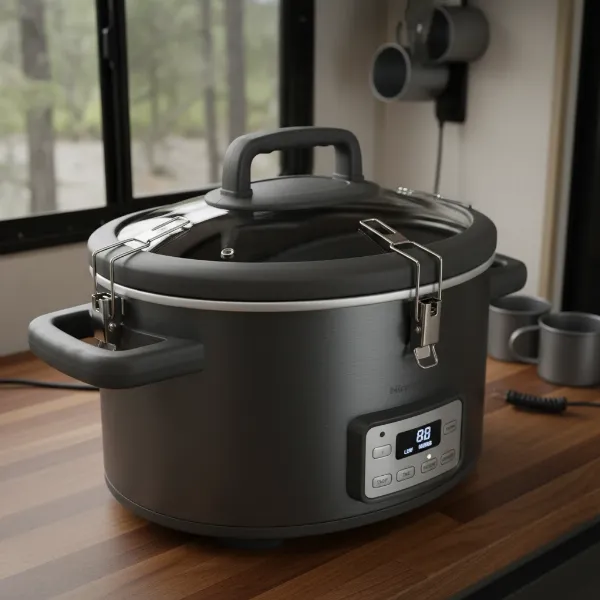
Slow cookers are culinary marvels, promising tender, flavorful meals with minimal effort. The allure of prepping a meal in the morning and returning home to a delicious, ready-to-eat dinner is undeniable. This convenience often leads to a common question: “Can I safely leave my slow cooker on all day?” As a seasoned technician with over a decade of experience with these appliances, I can confirm that, with the right precautions, slow cooking unattended is not only possible but a safe and efficient way to prepare food. However, understanding the nuances of both electrical and food safety is paramount to harnessing its full potential without risk.
What Makes a Slow Cooker Safe for Long Hours?
Slow cookers are purpose-built for extended cooking periods, operating differently from conventional ovens or stovetops. Their design incorporates several features that contribute to their safety for all-day use. They utilize a low wattage, applying gentle, consistent heat that gradually brings food to temperature, typically between 170°F and 280°F (76°C and 138°C). This slow, steady rise in temperature destroys bacteria while preventing food from scorching. The tightly-sealed lid traps steam and moisture, creating an internal environment that efficiently transfers heat and keeps food safely above the “danger zone” where bacteria thrive, which is between 40°F and 140°F (4°C and 60°C). Furthermore, many modern slow cookers come equipped with automatic features, such as programmable timers that switch to a “keep warm” setting once cooking is complete, or even auto shut-off mechanisms for added peace of mind.
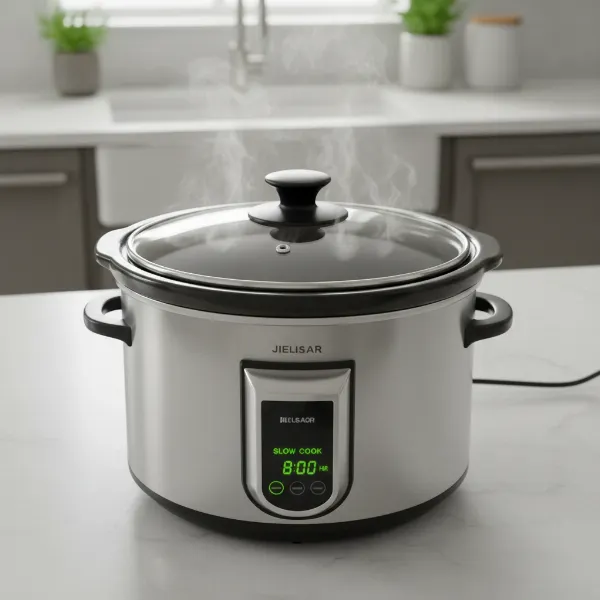 A modern slow cooker with a transparent lid, showing steam and food cooking inside, illustrating its safety features.
Key Electrical Safety Precautions for Unattended Cooking
While slow cookers are designed for safety, proper electrical handling is crucial, especially when operating them unattended.
- Appliance Condition: Always use a slow cooker that is in excellent working order. Regularly inspect the power cord for any signs of fraying, cuts, exposed wires, or kinks. A damaged cord is a significant fire hazard and should prompt immediate replacement of the appliance or professional repair.
- Stable Placement: Position your slow cooker on a flat, stable, heat-resistant surface, such as a sturdy countertop. Ensure it is well away from the edge to prevent accidental bumps or falls.
- Clearance from Flammables: Keep the slow cooker at a safe distance from any flammable materials, including curtains, dishtowels, paper products, and plastic items. Adequate space around the unit also allows for proper ventilation, preventing overheating. Never place anything on top of a slow cooker while it is in operation.
- Direct Outlet Use: Whenever possible, plug the slow cooker directly into a wall outlet. While some heavy-duty extension cords might be rated for appliance use, it’s generally best to avoid them for high-wattage, long-duration appliances like slow cookers to minimize risks of overheating or circuit overload.
- Follow Manufacturer Instructions: Always consult your specific slow cooker’s user manual. Manufacturers provide detailed safety guidelines and operational instructions tailored to their models.
Crucial Food Safety Guidelines for Slow Cooker Meals
Beyond electrical safety, adhering to strict food safety practices is vital to prevent foodborne illness, especially when food is cooked for many hours.
- Always Thaw Ingredients: Never place frozen meat or poultry directly into a slow cooker. Frozen food takes too long to reach a safe temperature, allowing harmful bacteria to multiply in the “danger zone.” Always thaw ingredients completely in the refrigerator before adding them.
- Maintaining Safe Temperatures: The slow cooker must reach and maintain a temperature above 140°F (60°C) throughout the cooking process. While the “warm” setting is convenient for keeping cooked food ready for serving, it’s generally not sufficient for prolonged holding. If left on “warm” for too long after cooking, the temperature can drop, risking bacterial growth. Use the “warm” setting for short periods, typically no more than 2-4 hours after the main cooking cycle.
- Proper Fill Levels: For optimal cooking and safety, fill your slow cooker no less than half full and no more than two-thirds full. Underfilling can lead to overcooked or dry food, while overfilling might prevent thorough cooking and could result in spills or overflows.
- Adequate Liquid Levels: Many slow cooker recipes rely on liquid to create steam and ensure even heat distribution. Ensure your recipe has sufficient liquid, especially when cooking meat or poultry, to prevent scorching and to facilitate proper heat transfer throughout the pot.
- The “No Peeking” Rule: Resist the urge to lift the lid during cooking. Every time the lid is opened, a significant amount of heat escapes, dropping the internal temperature by 10-15 degrees Fahrenheit. It can take up to 20-30 minutes for the slow cooker to recover this lost heat, extending the overall cooking time and potentially compromising food safety.
- Handling Power Outages: If the power goes out while your slow cooker is in operation and you are away from home, it’s safest to discard the food, even if it appears cooked. Without knowing how long the power was off, the food may have spent too much time in the temperature danger zone. If you are home and aware of the outage, you can transfer the ingredients to a gas stove, grill, or another powered cooking appliance to finish cooking immediately.
- Reheating Leftovers Safely: Do not use your slow cooker to reheat leftovers. Slow cookers are designed for slow, gentle heating, which is not suitable for rapidly bringing refrigerated food back to a safe temperature. Reheat leftovers on a stovetop, in a microwave, or a conventional oven until they reach an internal temperature of 165°F (74°C). Once properly reheated, you can transfer the hot food to a preheated slow cooker set to “warm” for serving.
- Special Consideration for Kidney Beans: Raw kidney beans contain a natural toxin called phytohaemagglutinin, which requires a high temperature to destroy. While most slow cookers reach temperatures sufficient to cook food, they may not always reach the rapid boiling point necessary to neutralize this toxin. It is strongly recommended to boil dried kidney beans on a stovetop for at least 10 minutes before adding them to a slow cooker.
How Long Can a Slow Cooker Really Stay On?
The duration a slow cooker can safely stay on depends largely on the setting used and the specific model.
- Low Setting: Most slow cookers can be safely left on the “low” setting for 8-12 hours. This setting is ideal for long workdays or overnight cooking, allowing ingredients to tenderize slowly and flavors to meld beautifully.
- High Setting: The “high” setting cooks food faster, typically requiring 4-6 hours. It’s generally not recommended to leave a slow cooker on “high” for periods much longer than this, as it can lead to overcooked food, reduced food quality, and may increase wear on the appliance components.
- Maximum Duration: Many modern slow cookers have an automatic shut-off feature after 20-24 hours. While some recipes for things like bone broth might call for extended cooking up to 24-48 hours, ensure your specific model and recipe are suited for such durations, and monitor liquid levels. Always prioritize the manufacturer’s maximum recommended cooking times.
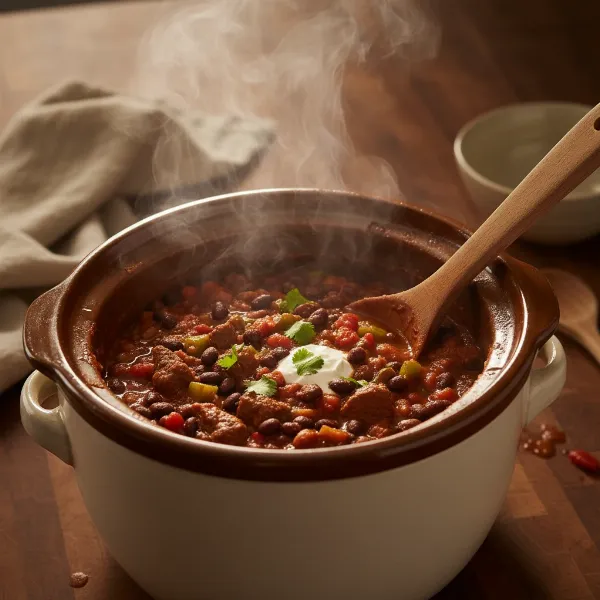 A delicious, fully cooked meal in a slow cooker, ready to serve, representing the convenience of long-duration cooking.
Troubleshooting Common Slow Cooker Issues
Even with careful use, you might encounter issues. Understanding common problems can help ensure both safety and culinary success.
- Overcooked or Undercooked Food: This often stems from incorrect fill levels, frequent lid-lifting, or using the wrong setting for the recipe’s duration. Ensure your slow cooker is 1/2 to 2/3 full, keep the lid closed, and match the setting (low for longer cooks, high for shorter ones) to your recipe’s requirements.
- Lid Issues: A poorly sealing lid can lead to too much moisture loss and uneven cooking. Conversely, too much condensation dripping back can make some dishes watery. Ensure the lid is seated properly. For dishes where condensation is an issue (like cheesecakes or some baked goods), placing a paper towel under the lid can absorb excess steam.
- Food Safety Concerns: If you suspect food has been in the danger zone for too long (e.g., due to a power outage or prolonged “warm” setting use), it’s always safer to discard it.
- Electrical Concerns: If your slow cooker is tripping a circuit breaker, has a damaged cord, or is emitting unusual smells, discontinue use immediately. These indicate a potential electrical fault that requires professional inspection or appliance replacement. Simple fixes like checking the wall outlet for power can often resolve basic “no power” issues.
Where to Find Reliable Slow Cooker Safety Information?
For the most accurate and up-to-date safety information, always turn to trusted sources:
- Manufacturer Manuals: The user manual for your specific slow cooker model is the authoritative guide for its safe operation, including maximum cook times and specific care instructions.
- USDA Guidelines: The U.S. Department of Agriculture (USDA) provides comprehensive food safety guidelines for slow cookers, covering everything from proper food handling to temperature requirements. Resources like the USDA Meat & Poultry Hotline are invaluable for consumer questions.
- Reputable Culinary and Appliance Websites: Many well-known food and appliance brands, as well as trusted culinary publications, offer extensively researched articles and advice on slow cooker safety and best practices.
“Slow cookers are truly a ‘set it and forget it’ appliance, but ‘forget it’ doesn’t mean ignoring basic safety. A well-maintained unit and adherence to food safety principles are your best ingredients for worry-free cooking.” – John Smith, Crockpotz.com Lead Technician
In essence, the convenience of slow cooking is built upon a foundation of safe design and responsible usage. By following these guidelines, you can confidently leave your slow cooker to work its magic throughout the day, ensuring a delicious and safe meal awaits you every time.
Frequently Asked Questions
Is it safe to leave a slow cooker on overnight?
|
Our Picks for the Best Slow cooker in 2026
As an Amazon Associate I earn from qualifying purchases.
|
||
| Num | Product | Action |
|---|---|---|
| 1 | Ninja MC1001 Foodi PossibleCooker PRO 8.5 Quart Multi-Cooker, with 8-in-1 Slow Cooker, Dutch Oven, Steamer, Glass Lid Integrated Spoon, Nonstick, Oven Safe Pot to 500°F, Sea Salt Gray |

|
| 2 | Slow Cooker 10-Quart - PFOA-Free Ceramic Coating, Oven Safe to 450°F - Keep Warm Function for Large Family Gatherings (Includes Silicone Spoon) |
|
| 3 | Ninja MC1101 Foodi Everyday Possible Cooker Pro, 8-in-1 Versatility, One-Pot Faster Cooking Replaces 10 Tools, Family-Sized Capacity with Adjustable Temp Control, 6.5 quarts, Midnight Blue |
|
| 4 | Hamilton Beach Slow Cooker, Extra Large 10 Quart, Stay or Go Portable With Lid Lock, Dishwasher Safe Crock, Black (33195) |
|
| 5 | Crock-Pot 7 Quart Oval Manual Slow Cooker, Stainless Steel (SCV700-S-BR), Versatile Cookware for Large Families or Entertaining |
|
| 6 | Crock-Pot 6 Quart Cook & Carry Programmable Slow Cooker with Digital Timer Stainless Steel (CPSCVC60LL-S) pack of 1 |
|
| 7 | Crock-Pot 6 Quart Programmable Slow Cooker with Timer and Auto Food Warmer Setting, Stainless Steel |
|
| 8 | Crock-Pot Large 8-Quart Programmable Slow Cooker with Auto Warm Setting Black Stainless Steel |
|
| 9 | Hamilton Beach 6-Quart Slow Cooker with 3 Cooking Settings, Dishwasher-Safe Stoneware Crock & Glass Lid, Silver (33665G) |
|
| 10 | Ninja® 12-in-1 PossibleCooker™ PLUS - 8.5-qt - Sous Vide & Proof Multi-Cooker - Slow Cooker, Dutch Oven & More - Glass Lid & Integrated Spoon - Nonstick - Oven Safe Pot to 500°F - Black - MC1010 |
|
Yes, it is generally safe to leave a slow cooker on overnight, especially on the “low” setting. These appliances are designed for extended cooking periods, often up to 8-12 hours on low, and some models can run safely for up to 24 hours. Always ensure the appliance is in good condition and placed on a stable surface away from flammable materials.
What temperature does a slow cooker reach on low?
On the “low” setting, a slow cooker typically reaches temperatures between 170°F and 200°F (76°C and 93°C). This ensures food cooks slowly and stays safely above the 140°F (60°C) minimum temperature required to prevent bacterial growth, without overcooking.
Can a slow cooker cause a fire?
While rare, any electrical appliance carries a minimal risk of fire. Slow cookers are designed with safety features to minimize this risk. To prevent fires, always use a slow cooker with an intact cord and plug, place it on a heat-resistant surface, and ensure it’s away from flammable items and has good ventilation.
How full should a slow cooker be?
For optimal cooking and safety, a slow cooker should be filled no less than half full and no more than two-thirds full. This allows for proper heat distribution and prevents food from either drying out due to underfilling or spilling over due to overfilling.
Is it okay to open the lid on a slow cooker?
It is best to avoid opening the lid on a slow cooker during the cooking process. Lifting the lid causes a significant heat loss, which can extend the cooking time by 20-30 minutes and potentially affect food safety by allowing the temperature to drop into the danger zone for too long.