The slow cooker has long been a kitchen hero, transforming tough cuts into tender masterpieces and busy weeknights into stress-free dinner affairs. Yet, for all its convenience, the aftermath can often dim its shine: a stubborn, baked-on mess requiring serious scrubbing. What if there was a simple, ingenious way to reclaim your time and keep your beloved appliance pristine? Enter slow cooker liners – the unsung champions of modern slow cooking that promise a world of mess-free culinary delight.
What Are Slow Cooker Liners and How Do They Work?
Slow cooker liners are essentially heat-resistant bags designed to line the inside of your slow cooker pot before you add your ingredients. Imagine a protective shield that stands between your delicious meal and the ceramic interior of your appliance. These liners are typically made from durable, FDA-compliant, and BPA-free materials like nylon resin or Mylar, specifically engineered to withstand the prolonged low and high temperatures of slow cooking without leaching harmful chemicals into your food.
Their primary function is to create a non-stick barrier. As your food simmers for hours, liquids and sauces can often bake onto the pot’s surface, creating a challenging cleanup. The liner prevents this direct contact, ensuring that food residue remains contained within the bag. The gentle, even heat of the slow cooker permeates the liner, cooking your meal perfectly without altering the cooking time or the quality of your dish. When your meal is done, you simply lift out the liner and dispose of it, leaving your slow cooker pot virtually spotless.
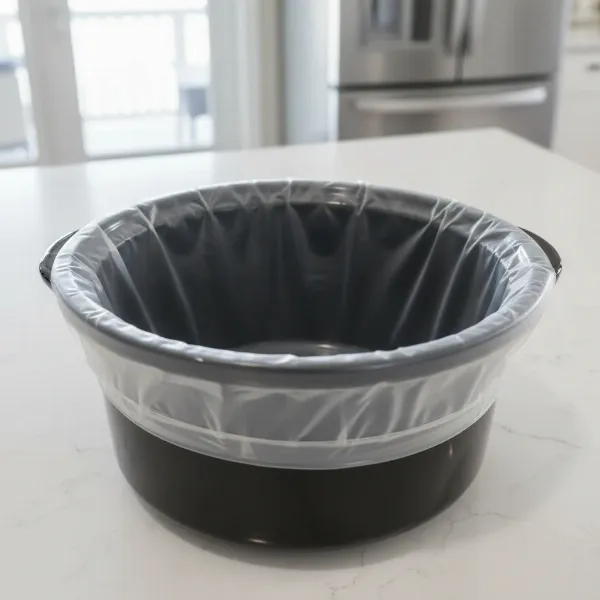 a transparent slow cooker liner inside a ceramic pot, ready for ingredients
The Remarkable Benefits of Using Slow Cooker Liners
Embracing slow cooker liners can revolutionize your cooking routine, offering a myriad of advantages that extend far beyond just easy cleanup. They are a game-changer for anyone looking to maximize efficiency and minimize kitchen chores.
One of the most significant benefits is the immense time and effort saving they provide. Gone are the days of soaking your slow cooker pot overnight or vigorously scrubbing away stubborn, baked-on food particles. With a liner, cleanup becomes as simple as tossing the bag in the trash. This not only frees up your valuable time but also reduces the physical strain of dishwashing.
Liners also play a crucial role in preserving the integrity and lifespan of your slow cooker pot. Repeated scrubbing, especially with abrasive sponges, can eventually wear down the non-stick coating or glaze of ceramic inserts. By using a liner, you eliminate the need for harsh cleaning, helping your slow cooker maintain its pristine condition for years to come. Furthermore, they contribute to better kitchen hygiene by ensuring that no food particles get trapped in hard-to-reach crevices, reducing the risk of bacterial buildup that might occur if a spot is missed during cleaning.
Perhaps surprisingly, slow cooker liners have no negative impact on the nutrition or flavor of your food. They are designed to be inert, meaning they won’t impart any plastic taste or chemical residues into your meal. The slow cooking process, known for locking in moisture and tenderizing ingredients, remains unaffected. You can still enjoy all the rich flavors and nutrients your slow cooker delivers. For added convenience, liners also eliminate the need for cooking spray, oil, or butter to prevent sticking, though you can still use them if your recipe calls for it.
An often-overlooked benefit is the versatility they offer for meal prep. You can prepare your raw ingredients inside a lined slow cooker pot and refrigerate it overnight, ready to be placed directly into the slow cooker unit the next morning. This is a fantastic hack for busy mornings. For those adventurous cooks who like to prepare multiple dishes in one slow cooker (e.g., using foil dividers), liners can even help prevent the transfer of flavors between different culinary creations, ensuring each dish retains its unique profile.
Types of Slow Cooker Liners Available
While the core function of slow cooker liners remains consistent, there are some variations to consider, primarily in their material composition, size, and shape, which cater to different slow cooker models and cooking needs.
The most common materials used for slow cooker liners are FDA-compliant, BPA-free nylon resin or Mylar. These materials are chosen for their heat resistance and food safety, ensuring that they can withstand extended cooking times at both low and high temperatures without breaking down or releasing any unwanted substances. When selecting liners, always look for explicit mentions of “BPA-free” and “food-safe” to ensure peace of mind.
In terms of size and shape, liners are designed to accommodate the wide range of slow cooker capacities available. Most liners are marketed as “standard size” and are versatile enough to fit common 3-quart to 7-quart slow cooker pots. You’ll often find options specifically labeled for 4-quart to 6-quart models, which are among the most popular sizes. Liners are generally flexible enough to conform to both round and oval-shaped slow cooker inserts, though some brands might offer specific shapes for a more tailored fit. When purchasing, check the packaging to confirm compatibility with your slow cooker’s capacity.
A Quick Comparison of Slow Cooker Liner Options
When deciding whether or not to incorporate slow cooker liners into your cooking routine, it helps to weigh the benefits against the traditional method of cooking directly in the pot. The primary distinction lies in convenience and long-term maintenance.
| Feature | Using Slow Cooker Liners | Not Using Slow Cooker Liners |
|---|---|---|
| Cleanup | Virtually effortless; simply dispose of liner. No scrubbing or soaking needed. | Requires soaking, scrubbing, and often vigorous cleaning to remove baked-on food. |
| Pot Maintenance | Extends pot lifespan by preventing abrasive cleaning damage. Protects non-stick coatings. | Regular scrubbing can degrade pot’s interior over time, potentially scratching or dulling surfaces. |
| Hygiene | Reduces risk of missed spots and bacterial buildup in hard-to-reach areas. | Requires thorough cleaning to ensure no food residue remains, especially in crevices. |
| Food Safety | Made from FDA-compliant, BPA-free, heat-resistant materials, safe for cooking. | Safe, but requires diligent cleaning to prevent bacteria from past meals. |
| Cost | Adds a recurring cost for purchasing liners. | No additional recurring cost for cleaning supplies beyond soap and water. |
| Environmental Impact | Creates waste; however, some brands offer recyclable options. | Less waste initially, but potentially more water/energy used for heavy cleaning. |
| Flavor/Cooking | No impact on cooking time or food flavor. | No impact on cooking time or food flavor. |
Ultimately, the choice comes down to personal priorities. If convenience, time-saving, and preserving your appliance are paramount, liners are an excellent investment. If minimizing recurring costs and waste are your top concerns, then diligent traditional cleaning remains a viable option.
Your Guide to Choosing and Using Slow Cooker Liners Correctly
Using slow cooker liners is incredibly straightforward, but a few key steps and considerations will ensure you get the most out of them for truly mess-free cooking.
Selecting the Right Liner
Choosing the right liner is the first step towards a seamless cooking experience. While most standard liners are designed to be versatile, it’s always good practice to check the packaging.
- Match the Size: Most liners will fit slow cookers ranging from 3 to 7 quarts. If you have a particularly large or small slow cooker, look for liners specifically sized for your appliance to ensure proper coverage and prevent the liner from being too small (leading to spills) or excessively large (which can be cumbersome).
- Prioritize Material Safety: Always confirm that the liners are explicitly labeled as BPA-free and made from FDA-compliant, heat-resistant nylon or similar food-safe materials. This ensures that no unwanted chemicals transfer to your food during the long cooking process.
- Consider Eco-Friendly Options: If environmental impact is a concern, keep an eye out for brands that offer recyclable slow cooker liners. While not all are, some manufacturers are introducing more sustainable options.
|
Our Picks for the Best Slow cooker in 2026
As an Amazon Associate I earn from qualifying purchases.
|
||
| Num | Product | Action |
|---|---|---|
| 1 | Hamilton Beach 6-Quart Slow Cooker with 3 Cooking Settings, Dishwasher-Safe Stoneware Crock & Glass Lid, Silver (33665G) |

|
| 2 | Crock-Pot 6 Quart Cook & Carry Programmable Slow Cooker with Digital Timer Stainless Steel (CPSCVC60LL-S) pack of 1 |
|
| 3 | Ninja MC1101 Foodi Everyday Possible Cooker Pro, 8-in-1 Versatility, One-Pot Faster Cooking Replaces 10 Tools, Family-Sized Capacity with Adjustable Temp Control, 6.5 quarts, Midnight Blue |
|
| 4 | Crock-Pot 7 Quart Oval Manual Slow Cooker, Stainless Steel (SCV700-S-BR), Versatile Cookware for Large Families or Entertaining |
|
| 5 | Crock-Pot 6 Quart Programmable Slow Cooker with Timer and Auto Food Warmer Setting, Stainless Steel |
|
| 6 | Crock-Pot Large 8-Quart Programmable Slow Cooker with Auto Warm Setting Black Stainless Steel |
|
| 7 | Ninja MC1001 Foodi PossibleCooker PRO 8.5 Quart Multi-Cooker, with 8-in-1 Slow Cooker, Dutch Oven, Steamer, Glass Lid Integrated Spoon, Nonstick, Oven Safe Pot to 500°F, Sea Salt Gray |
|
| 8 | Ninja® 12-in-1 PossibleCooker™ PLUS - 8.5-qt - Sous Vide & Proof Multi-Cooker - Slow Cooker, Dutch Oven & More - Glass Lid & Integrated Spoon - Nonstick - Oven Safe Pot to 500°F - Black - MC1010 |
|
| 9 | Hamilton Beach Slow Cooker, Extra Large 10 Quart, Stay or Go Portable With Lid Lock, Dishwasher Safe Crock, Black (33195) |
|
| 10 | Slow Cooker 10-Quart - PFOA-Free Ceramic Coating, Oven Safe to 450°F - Keep Warm Function for Large Family Gatherings (Includes Silicone Spoon) |
|
Step-by-Step Installation for Optimal Results
Properly installing the liner is crucial to prevent leaks and ensure effective cooking.
- Unfold and Position: Gently unfold the liner and place it inside your empty slow cooker pot.
- Smooth It Out: Using your hand, gently press the liner down to the bottom and smooth it against the sides of the slow cooker bowl. Ensure the crease of the liner lies flat at the bottom center. This helps the liner conform to the pot’s shape and prevents air pockets.
- Secure Over the Rim: Pull the excess edges of the liner up and fold them neatly over the rim of the slow cooker pot. This overhang helps secure the liner in place and provides a clean edge for serving.
- Crucial Safety Note: Never tuck the liner between the slow cooker bowl and the slow cooker heating unit. This can block essential heat vents and potentially create a fire hazard or damage your appliance. The liner should always remain entirely within the removable pot.
Cooking with Confidence
Once your liner is properly installed, you’re ready to cook!
- Add Your Ingredients: Place all your ingredients into the lined slow cooker as you normally would. For best results, especially with layered dishes, place heartier items like root vegetables and meats at the bottom, where they will benefit from direct contact with the heat, followed by softer vegetables and seasonings on top.
- To Spray or Not to Spray?: Liners are inherently non-stick, so there’s generally no need for cooking spray, oil, or butter. However, if your recipe specifically calls for a sprayed surface for flavor or texture, you can still apply it to the inside of the liner without issue.
- Set and Forget: Place the lid on your slow cooker and cook according to your recipe’s instructions. The liner will not affect cooking times or temperatures.
Serving and Disposal Made Easy
The true magic of liners reveals itself at mealtime and beyond.
- Serving: You can serve your food directly from the lined slow cooker using appropriate utensils.
- Safety First for Transport: Do not attempt to lift or transport the liner with hot food inside. The liners are not designed to support the full weight of cooked food and hot liquids when lifted, which could lead to tears, spills, and severe burns. Always scoop food out while the liner is still in the pot.
- Cool and Dispose: Once your meal is served and the slow cooker has completely cooled, simply lift the liner out of the pot, gather the edges to contain any remnants, and dispose of it in the trash.
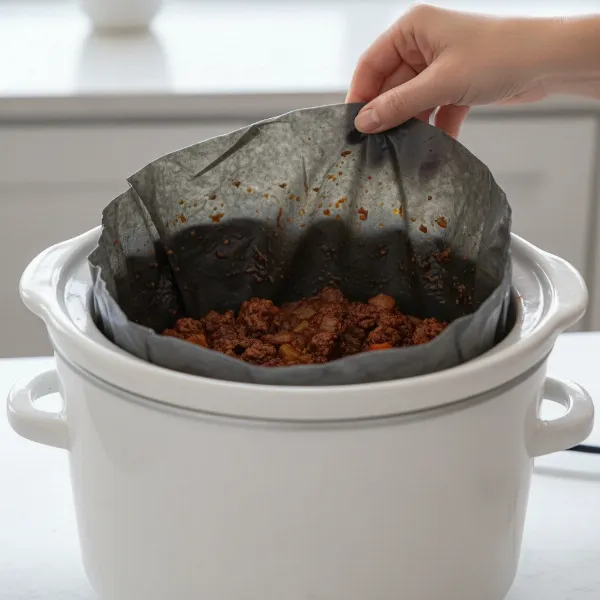 a hand lifting a used slow cooker liner full of food remnants from a clean pot
 - No Reuse: Slow cooker liners are single-use items and should never be reused. Their heat resistance and structural integrity are compromised after one cooking cycle.
Top Tips for Maximizing Your Slow Cooker Liner Experience
To truly master the art of mess-free slow cooking, consider these expert tips that will enhance safety, longevity, and overall convenience.
- Choose the Right Utensils: When stirring or serving from a lined slow cooker, always use wooden or silicone utensils. Metal utensils, especially those with sharp edges, can easily puncture the liner, defeating its purpose and potentially leading to a messy leak.
- Avoid Overfilling: While tempting for large gatherings, do not overfill your slow cooker past the recommended maximum fill line (usually two-thirds to three-quarters full). Overfilling increases the risk of spills and leaks, which can escape even a well-placed liner, causing a mess between the liner and the pot.
- Adhere to Heat Guidelines: Always follow the manufacturer’s guidelines for your slow cooker’s temperature settings. Most liners are designed to be safe for cooking temperatures up to approximately 400°F (204°C), covering typical low, high, and warm settings. Using extreme, unrecommended heat might compromise the liner.
- Check Liner Compatibility: Ensure the specific brand of liner you purchase states compatibility with slow cookers. While most are, some bags might be designed for other uses and not suited for the sustained heat of a slow cooker.
- Utilize for Overnight Prep: A fantastic convenience hack is to place your raw ingredients into the lined slow cooker pot, cover it with the lid, and refrigerate it overnight. In the morning, you can simply transfer the pot directly into the slow cooker unit and begin cooking, saving precious morning minutes. However, do not refrigerate cooked food inside the liner within the slow cooker unit itself.
- Explore Recyclable Options: For environmentally conscious cooks, look for brands that offer recyclable slow cooker liners. While not universally available, some manufacturers are beginning to provide more eco-friendly alternatives.
“Slow cooker liners aren’t just about saving time on cleanup; they’re about transforming your cooking experience, making it genuinely enjoyable from start to finish. It’s a small change that yields huge rewards.” – Admin, Crockpotz.com, Slow Cooker Expert
Where to Purchase Quality Slow Cooker Liners
Finding slow cooker liners is generally quite easy, as they have become a staple in many households. You can typically find them at:
- Major Supermarkets and Grocery Stores: Look in the baking aisle, near aluminum foil, plastic wrap, or other food storage bags.
- Big-Box Retailers: Stores like Walmart, Target, or other general merchandise stores usually stock a variety of brands in their kitchenware or cooking essentials sections.
- Online Retailers: Websites such as Amazon, or the official websites of brands like Reynolds Kitchens, offer a wide selection, often in bulk packs for greater value.
- Specialty Kitchen Stores: While less common for liners, some kitchen supply stores might carry them.
When purchasing, always opt for reputable brands to ensure product quality, safety, and performance. Check reviews and product descriptions to confirm they are BPA-free and suitable for your slow cooker’s size.
Conclusion
Slow cooker liners are a simple yet revolutionary innovation that has undoubtedly elevated the slow cooking experience. By providing an effortless cleanup solution, they remove the only real drawback of this beloved kitchen appliance, allowing you to fully embrace the convenience and delicious results it offers. From preparing make-ahead meals to serving family dinners, these liners ensure that your culinary journey is always smooth, hygienic, and wonderfully mess-free. If you haven’t yet discovered the magic of slow cooker liners, now is the perfect time to give them a try and transform your kitchen routine. What delicious, mess-free meal will you create first?
Frequently Asked Questions
Are slow cooker liners safe to use with food?
Yes, slow cooker liners are generally safe for food use. They are manufactured from FDA-compliant, BPA-free, heat-resistant nylon or similar food-grade plastics, designed to withstand the temperatures of slow cooking without leaching harmful chemicals into your food. Always check the product packaging to confirm these safety certifications.
Do slow cooker liners affect the taste or cooking time of my food?
No, slow cooker liners do not impact the taste or cooking time of your food. The materials used are inert, meaning they won’t alter the flavor profile of your meal. The gentle, even heat of the slow cooker permeates the liner effectively, ensuring your food cooks thoroughly and deliciously within the expected timeframe.
Can I reuse slow cooker liners to save money?
No, slow cooker liners are designed for single use only and should never be reused. After one cooking cycle, the heat resistance and structural integrity of the liner can be compromised, increasing the risk of tearing, leaks, or potential safety issues. For optimal hygiene and performance, always dispose of the liner after each use.
What are slow cooker liners typically made from?
Slow cooker liners are commonly made from strong, heat-resistant, and food-safe plastics such as nylon resin or Mylar. These materials are chosen for their ability to withstand prolonged high temperatures without melting or breaking down, while also being BPA-free and FDA-compliant to ensure they are safe for contact with food.
Do I need to spray a slow cooker liner with cooking oil or non-stick spray?
Generally, there is no need to spray a slow cooker liner with cooking oil or non-stick spray. The liners themselves are designed to be non-stick, preventing food from adhering to them. However, if your specific recipe calls for adding oil or spray for flavor or to achieve a particular crust, you can certainly do so on the inside of the liner without any issues.