There’s something magical about coming home to the rich, simmering aroma of a perfectly made soup, especially when you’ve barely lifted a finger all day. That’s the promise of the Crock Pot, right? But let’s be honest, we’ve all been there: you follow a recipe, hoping for a hearty stew, and end up with a watery, bland concoction with mushy vegetables. If that sounds familiar, you’re in the right place. Learning How To Use Crock Pot For Soups isn’t just about dumping ingredients and pressing a button; it’s about understanding a few simple principles that transform your slow cooker from a convenient gadget into your secret weapon for incredible, flavor-packed meals.
This guide will walk you through everything you need to know. We’ll go beyond a single recipe and teach you the foundational techniques to make any soup a slow cooker success. For those just starting their journey, understanding the basics is key. To get a comprehensive overview of your appliance, you might want to read our detailed guide on how to use a crock pot step by step before diving into the art of soup making.
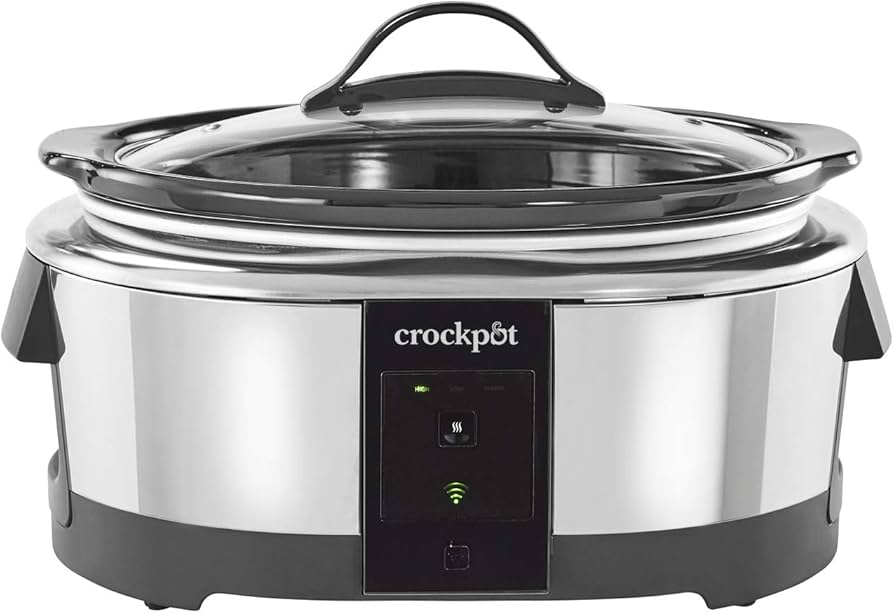
Why Your Crock Pot is a Soup-Making Superstar
Before we get into the “how,” let’s talk about the “why.” Why is a slow cooker so uniquely suited for making soups? It’s all about the “low and slow” method.
- Flavor Meld: Think of your Crock Pot as a marathon runner, not a sprinter. The long, gentle cooking time gives all the ingredients—the herbs, the veggies, the meat, the aromatics—ample time to get to know each other. Flavors don’t just sit next to each other; they marry, creating a depth and richness that’s hard to replicate on a stovetop in a shorter time.
- Tenderizes Tough Cuts: Got a cheaper, tougher cut of meat like a chuck roast or pork shoulder? The slow cooker is its best friend. The gentle, consistent heat breaks down tough connective tissues, turning them into melt-in-your-mouth morsels that fall apart with a fork.
- Set It and Forget It Convenience: This is the obvious one, but it’s a game-changer. You can prep your ingredients in the morning, head off to work or run errands, and come home to a finished, soul-warming meal. It’s the ultimate one-pot meal solution for busy weeknights.
The Golden Rules: Getting Started with Crock Pot Soups
Success starts with the setup. Follow these core principles, and you’ll be 90% of the way to a perfect soup every time.
Choosing the Right Tool for the Job
Not all Crock Pots are created equal, and size matters. A 6-quart slow cooker is the workhorse of most kitchens and is perfect for family-sized batches of soup (about 6-8 servings). If you’re cooking for one or two, a 3-4 quart model will do just fine. Using a pot that’s too large for your ingredients can cause them to cook too quickly or burn. As a rule of thumb, your Crock Pot should be at least half full, but no more than three-quarters full.
The Art of Layering
This is one of the most overlooked but crucial techniques. Don’t just dump everything in! The heating element in most Crock Pots is at the bottom, so you need to layer ingredients strategically.
- Bottom Layer: Hard, root vegetables like potatoes, carrots, onions, and turnips. They take the longest to cook and benefit from being closest to the direct heat source.
- Middle Layer: The meat. Place your chicken, beef, or pork on top of the vegetables. This allows the juices to drip down and flavor the veggies as it cooks.
- Top Layer: Softer vegetables and aromatics. Things like celery, bell peppers, or garlic can go on top.
How Much Liquid Do I Actually Need?
Here’s a common rookie mistake: filling the Crock Pot with broth like you would a stockpot on the stove. Remember, your Crock Pot has a tight-fitting lid, which means very little liquid evaporates during cooking.
A good rule is to add just enough liquid (broth, stock, or water) to barely cover the meat and vegetables. You can always add more later if needed, but it’s much harder to fix a watery soup.
Step-by-Step: The Foolproof Method for Crock Pot Soups
Ready to put it all together? Here is the fundamental process for how to use crock pot for soups that you can adapt for countless recipes.
- Build Your Flavor Base (Optional but Recommended): While you can dump everything in raw, taking 10 extra minutes to brown your meat and sauté your aromatics (onions, garlic, celery) in a separate pan first will pay off tenfold in flavor. This process, called the Maillard reaction, creates a deep, savory foundation that a slow cooker can’t achieve on its own. Deglaze the pan with a splash of broth or wine and scrape up all those delicious browned bits to add to the Crock Pot.
- Layer Your Ingredients Correctly: Following the layering principle above, place your prepped ingredients into the slow cooker. Start with the hardiest vegetables at the bottom and work your way up.
- Add Your Liquids: Pour in your broth or stock until the ingredients are just covered. Add your seasonings like dried herbs (thyme, rosemary, bay leaves), salt, and pepper now. Hold off on fresh, delicate herbs for now!
- Set It and (Almost) Forget It: Secure the lid and set your Crock Pot. For most soups, the cooking times are:
- LOW: 6-8 hours
- HIGH: 3-4 hours
I almost always recommend cooking on LOW. It produces more tender meat and better-developed flavors. And the most important rule of slow cooking: Do not open the lid! Every time you peek, you release heat and steam, which can add 15-20 minutes to your cooking time. Trust the process.
- The Finishing Touches (The Last 30 Minutes): This is where you elevate your soup from good to great. In the last 15-30 minutes of cooking, stir in the ingredients that don’t need a long cook time. This includes:
- Pasta and Grains: Quick-cooking pasta, rice, or quinoa will turn to mush if added at the beginning.
- Delicate Vegetables: Peas, corn, spinach, or zucchini.
- Dairy and Thickeners: Cream, milk, sour cream, or cheese can curdle if cooked too long. This is also the time to add a cornstarch slurry to thicken your soup if needed.
- Fresh Herbs: Brighten up the flavor with fresh parsley, cilantro, or basil right before serving.
|
Our Picks for the Best Crockpot in 2025
As an Amazon Associate, we earn from qualifying purchases.
|
||
| Num | Product | Action |
|---|---|---|
| 1 | bella 6.0 Qt Programmable Slow Cooker, Ceramic Nonstick Coating, Adjustable Temperature & Cooking Times, Dishwasher Safe Stoneware Pot & Tempered Glass Lid, Tangle Free Cord Wrap, Plum |

|
| 2 | Crockpot 2-Quart Classic Slow Cooker Small Slow Cooker Black |
|
| 3 | Crock-Pot 7-Quart Slow Cooker, Portable Programmable with Timer, Locking Lid, Stainless Steel; an Essential Kitchen Appliance, Perfect for Families and Gatherings |
|
| 4 | Sunvivi Dual Pot Slow Cooker, 2 Pot Small Mini Crock Buffet Server and Warmer, Upgraded Oval Ceramic Double Pot Buffet Food Warmer Adjustable Temp Glass Lid, Total 2.5 Quarts |
|
| 5 | Crock-Pot 6 Quart Cook & Carry Programmable Slow Cooker with Digital Timer Stainless Steel (CPSCVC60LL-S) pack of 1 |
|
| 6 | Crock-Pot 7 Quart Oval Manual Slow Cooker, Stainless Steel (SCV700-S-BR), Versatile Cookware for Large Families or Entertaining |
|
| 7 | Crock-Pot Large 8-Quart Programmable Slow Cooker with Auto Warm Setting Black Stainless Steel |
|
| 8 | Hamilton Beach 6-Quart Slow Cooker with 3 Cooking Settings, Dishwasher-Safe Stoneware Crock & Glass Lid, Silver (33665G) |
|
| 9 | Ninja Foodi PossibleCooker PRO- Sous Vide & Proof 6-in-1 Multi-Cooker, with 8.5 Quarts, Slow Cooker, Dutch Oven & More, Glass Lid & Integrated Spoon, Oven Safe Pot to 500°F, Black, MC1010 |
|
| 10 | Double Slow Cooker, 2 x 1.25 QT Portable Small Dual Crock Cooker, Buffet Servers and Warmers Dishwasher Safe, Removable Ceramic Pot Glass Lid, Stainless Steel Black |
|
Common Crock Pot Soup Problems and How to Fix Them
Even with the best intentions, things can go sideways. Here’s how to troubleshoot the most common issues.
“Help! My Soup is Watery and Bland!”
This usually happens from adding too much liquid at the start.
- The Fix: Remove the lid for the last 30-45 minutes of cooking on HIGH to allow some liquid to evaporate. For a quicker fix, make a slurry by mixing 1 tablespoon of cornstarch with 2 tablespoons of cold water, then stir it into the simmering soup until it thickens. To boost flavor, add a squeeze of lemon juice or a splash of vinegar at the end to brighten everything up.
“My Vegetables Turned to Mush!”
This is a timing issue.
- The Fix: Next time, cut your vegetables into larger chunks, as smaller pieces cook faster and are more prone to breaking down. Also, ensure you’re layering them at the bottom and avoid delicate vegetables until the end.
According to food blogger Sarah Carter, an expert in convenient family meals, “The key to a perfect Crockpot meal is layering your ingredients correctly. Always place root vegetables at the bottom where the heat is most consistent. It protects them and ensures they cook through without turning to mush by the time the meat is tender.”
“Can I Use Frozen Meat in My Crock Pot Soup?”
This is a hot topic, but for food safety reasons, it’s generally not recommended. A slow cooker heats up too gradually, which means frozen meat can spend too much time in the “danger zone” (40°F – 140°F), where bacteria can multiply. Always thaw meat completely in the refrigerator before adding it to your Crock Pot.
Serving, Storing, and Reheating
Once your soup is done, serve it hot with a side of crusty bread for dipping.
- Storing: Let the soup cool down for about an hour before transferring it to airtight containers. It will keep in the refrigerator for 3-4 days.
- Freezing: Most non-dairy-based soups freeze beautifully! Let the soup cool completely, then pour it into freezer-safe bags or containers, leaving an inch of space at the top for expansion. It can be frozen for up to 3 months.
- Reheating: Thaw frozen soup overnight in the fridge. Reheat gently on the stovetop or in the microwave until it’s steaming hot. You may need to add a splash of broth to thin it out as it can thicken upon standing.
Frequently Asked Questions
Do you have to brown meat before putting it in a slow cooker for soup?
You don’t have to, but it is highly recommended. Browning creates a deep, caramelized flavor that you won’t get otherwise. Skipping this step is fine for a “dump dinner” in a pinch, but for the best-tasting soup, don’t skip the sear.
How do I convert a stovetop soup recipe for the Crock Pot?
It’s easy! First, reduce the liquid in the recipe by about one-third to one-half, as there’s less evaporation. Sauté your aromatics and brown your meat as directed. Then, combine everything in the slow cooker and cook on LOW for 6-8 hours or HIGH for 3-4 hours.
Can I put raw chicken in a Crock Pot for soup?
Absolutely. Raw chicken cooks perfectly in a slow cooker. Just make sure it’s fully thawed and submerged in the liquid. The chicken is done when it reaches an internal temperature of 165°F and shreds easily with a fork.
How do you add flavor to a bland Crock Pot soup?
Flavor can be added at any stage. At the beginning, use a quality broth, sauté your aromatics, and don’t be shy with dried herbs and seasonings. At the end, a squeeze of citrus, a splash of vinegar, fresh herbs, or a dollop of pesto can work wonders to brighten and enhance the flavors.
Can I put milk or cream in the Crock Pot at the beginning?
It’s best to avoid adding dairy products like milk, cream, or sour cream at the beginning of the cooking process. The long, slow heat can cause them to curdle or separate. Always stir them in during the last 15-30 minutes of cooking.
Your Soup Journey Begins Now
The Crock Pot is so much more than an appliance for pot roasts. It’s your partner in creating effortless, deeply flavorful, and comforting soups that taste like they’ve been simmering on the stove all day. By mastering layering, managing your liquid, and saving delicate ingredients for the end, you’ll have all the skills you need.
So go ahead, dust off that slow cooker, and get ready to embrace the simple joy of a hands-off, delicious meal. We’d love to hear about your creations! What’s the first soup you’re going to try with these new tips? Let us know in the comments below! Mastering how to use crock pot for soups is a skill that will reward you with countless warm and wonderful meals to come.