Every kitchen has its workhorse, and for many, that’s the trusty slow cooker. These convenient appliances simplify meal prep, making delicious dishes with minimal effort. But what happens when your beloved slow cooker finally calls it quits? Disposing of old electronics isn’t as simple as tossing them in the trash. Knowing how to properly recycle your broken slow cooker is crucial for protecting our environment and recovering valuable materials. Let’s explore the best ways to give your slow cooker a responsible send-off.
What is a Slow Cooker and Why Proper Disposal Matters?
A slow cooker is a countertop electrical appliance used for simmering food at lower temperatures for extended periods. Typically, it consists of a ceramic or stoneware crock, a heating element within a metal or plastic housing, and a lid. While the ceramic insert is often the most visible part, the electrical base containing the heating element, wiring, and a power cord classifies the entire unit as electronic waste, or e-waste.
Improperly disposing of e-waste, like your broken slow cooker, can have significant environmental consequences. Electronic devices contain various materials, including valuable metals like steel, copper, and aluminum, as well as plastics. More importantly, they can also house hazardous substances such as lead, mercury, cadmium, and hexavalent chromium. When these items end up in landfills, these toxic chemicals can leach into the soil and groundwater, posing serious threats to ecosystems and human health. By choosing to recycle, you help prevent pollution, conserve natural resources, and support the circular economy where materials are reused and repurposed.
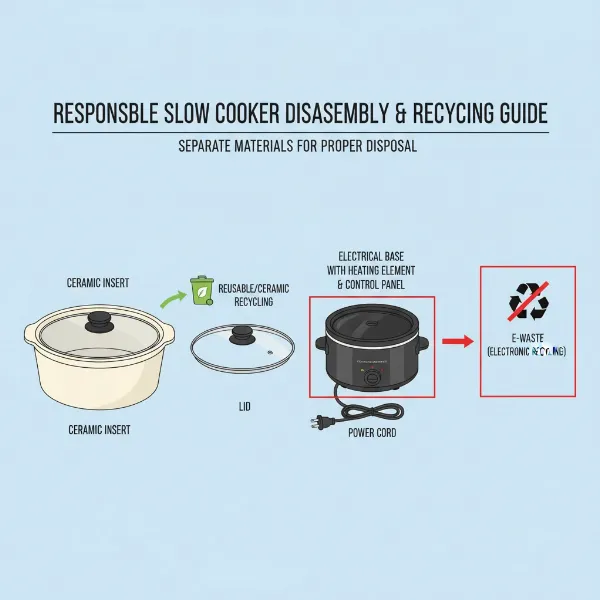 Diagram of slow cooker components highlighting electrical parts for e-waste recycling.
Understanding Slow Cooker Components for Recycling
To effectively recycle a slow cooker, it helps to understand its distinct parts, as each component may require a different disposal approach.
The Ceramic Insert: Reuse or Landfill?
The removable ceramic or stoneware crock is often the first part to crack or break, rendering the slow cooker unusable. Unfortunately, these inserts are typically made from a type of ceramic that cannot be recycled with regular glass or household ceramics through curbside programs. The high temperatures and specific glazes used make them incompatible with standard recycling processes.
However, a broken or intact ceramic insert doesn’t have to go straight to the landfill. These sturdy vessels can be wonderfully repurposed around your home. Consider transforming them into:
- Planters: Drill drainage holes (carefully, with a ceramic bit) to create unique pots for plants.
- Storage containers: Use them for organizing craft supplies, gardening tools, or even pet food.
- Decorative pieces: With a little paint or creativity, they can become eye-catching décor.
|
Our Picks for the Best Slow cooker in 2026
As an Amazon Associate I earn from qualifying purchases.
|
||
| Num | Product | Action |
|---|---|---|
| 1 | Ninja MC1001 Foodi PossibleCooker PRO 8.5 Quart Multi-Cooker, with 8-in-1 Slow Cooker, Dutch Oven, Steamer, Glass Lid Integrated Spoon, Nonstick, Oven Safe Pot to 500°F, Sea Salt Gray |

|
| 2 | Ninja MC1101 Foodi Everyday Possible Cooker Pro, 8-in-1 Versatility, One-Pot Faster Cooking Replaces 10 Tools, Family-Sized Capacity with Adjustable Temp Control, 6.5 quarts, Midnight Blue |
|
| 3 | Slow Cooker 10-Quart - PFOA-Free Ceramic Coating, Oven Safe to 450°F - Keep Warm Function for Large Family Gatherings (Includes Silicone Spoon) |
|
| 4 | Hamilton Beach Slow Cooker, Extra Large 10 Quart, Stay or Go Portable With Lid Lock, Dishwasher Safe Crock, Black (33195) |
|
| 5 | Crock-Pot 7 Quart Oval Manual Slow Cooker, Stainless Steel (SCV700-S-BR), Versatile Cookware for Large Families or Entertaining |
|
| 6 | Hamilton Beach 6-Quart Slow Cooker with 3 Cooking Settings, Dishwasher-Safe Stoneware Crock & Glass Lid, Silver (33665G) |
|
| 7 | Crock-Pot Large 8-Quart Programmable Slow Cooker with Auto Warm Setting Black Stainless Steel |
|
| 8 | Ninja® 12-in-1 PossibleCooker™ PLUS - 8.5-qt - Sous Vide & Proof Multi-Cooker - Slow Cooker, Dutch Oven & More - Glass Lid & Integrated Spoon - Nonstick - Oven Safe Pot to 500°F - Black - MC1010 |
|
| 9 | Crock-Pot 6 Quart Cook & Carry Programmable Slow Cooker with Digital Timer Stainless Steel (CPSCVC60LL-S) pack of 1 |
|
| 10 | Crock-Pot 6 Quart Programmable Slow Cooker with Timer and Auto Food Warmer Setting, Stainless Steel |
|
If reuse isn’t an option, the ceramic insert will generally need to be disposed of with your regular household trash.
The Electrical Base and Cord: E-Waste Essentials
The outer housing of your slow cooker, which contains the heating element, control panel, and power cord, is the core electronic component. This part must not be placed in your regular garbage or recycling bin. It contains the valuable metals and potentially hazardous components that necessitate specialized e-waste recycling. The power cord itself is made of insulated copper wire, a highly sought-after material for metal recyclers.
Lids and Other Accessories
Slow cooker lids are typically made of tempered glass or plastic. Like the ceramic insert, tempered glass is processed differently than standard glass bottles and jars, making it generally unsuitable for curbside glass recycling. Plastic lids may or may not be recyclable depending on the specific plastic type and your local recycling facility’s capabilities. It’s best to check with your local waste management or assume these go into the general trash if not reusable.
Finding Your Slow Cooker’s Recycling Solution
Since slow cookers are considered e-waste, you won’t be able to simply toss them into your mixed recycling bin. Here are the most effective avenues for responsible disposal:
Local E-Waste Recycling Centers
The most common and reliable method for recycling your broken slow cooker is to take it to a dedicated electronics recycling center or facility. Many communities offer permanent e-waste collection sites that accept a wide range of devices with cords or batteries. You can often find information about these centers through your municipal waste management website or by using online search tools like Earth911.com. These centers are equipped to safely dismantle and process electronic waste, ensuring hazardous materials are managed correctly and valuable resources are recovered.
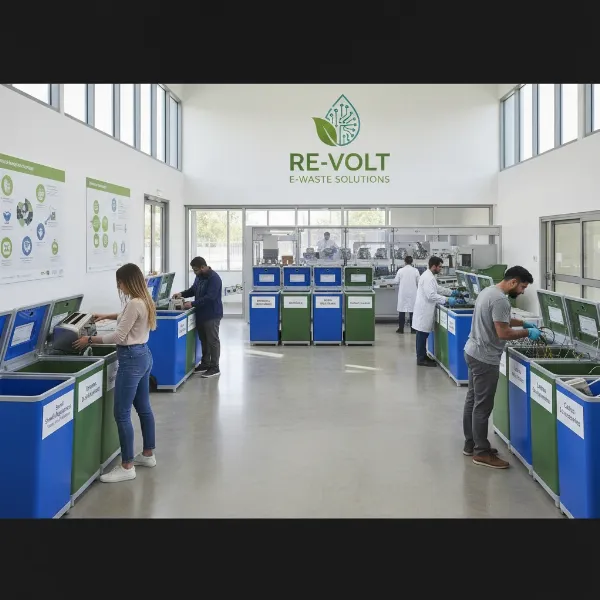 People dropping off old electronics at a designated e-waste recycling center.
Retail Take-Back Programs
Major electronics retailers often have take-back programs for small appliances and e-waste. For example, Best Buy stores typically accept up to three items per household per day for recycling, regardless of where they were purchased. Some appliance stores may also offer a recycling service when you purchase a new appliance from them, taking your old one away. Check with large retailers in your area for their specific e-waste policies.
Municipal Bulky Waste or Special Collection Events
If a dedicated e-waste center isn’t readily available, your local waste management service might offer solutions. Some municipalities provide special bulky waste collection services where you can schedule a pickup for larger items and appliances. Additionally, many solid waste districts organize special e-waste collection events throughout the year. These events provide a convenient opportunity to dispose of multiple electronic items responsibly. Nonprofits, churches, and schools may also sponsor such collection days.
Scrap Metal Yards
If you’re comfortable with a bit of DIY, you can deconstruct your slow cooker. The metal outer casing (often steel or aluminum) and the copper from the power cord are valuable materials that can be taken to a local scrap metal yard. While this requires effort, it ensures these specific components are recycled. However, it’s crucial to remember that the electronic components within the base still need to be handled as e-waste.
Donation: When is it an Option?
It’s important to clarify that only fully functional and clean slow cookers should be considered for donation. If your slow cooker is broken or not working, it cannot be donated. However, if you’re upgrading a perfectly good appliance, local thrift stores, charities, or community centers might be happy to accept it. Always call ahead to confirm their acceptance policies.
Step-by-Step Guide to Recycling Your Slow Cooker
Recycling your broken slow cooker doesn’t have to be complicated. Follow these steps for a smooth and responsible disposal process:
- Unplug and Cool: Before doing anything, ensure your slow cooker is completely unplugged from the power outlet and has cooled down entirely.
- Separate Components (Optional but Recommended):
- Remove the ceramic insert and lid. Consider repurposing the ceramic pot if it’s intact.
- If you’re taking it to a specialized e-waste recycler, they will typically handle the breakdown of the electrical base. If you plan to take metal parts to a scrap yard, you would need to safely dismantle the unit to separate the different materials.
- Locate a Recycling Facility:
- Check your local city or county waste management website for e-waste drop-off locations or special collection events.
- Use online search tools like Earth911.com or RecycleNation.com by entering “electronics recycling” and your zip code.
- Inquire with large electronics retailers about their take-back programs.
- Prepare for Transport: If necessary, secure components (e.g., tape down the power cord to prevent tripping).
- Transport Safely: Take your slow cooker to the designated recycling facility. If unsure, always contact the facility beforehand to confirm they accept small appliances or “crock-pots.”
Avoid These Common Recycling Mistakes
While the intention to recycle is commendable, some common mistakes can hinder your efforts or even harm the environment:
- Don’t put it in your curbside recycling bin: Small appliances and e-waste are generally not accepted in residential recycling bins. They can damage recycling equipment, contaminate other materials, and their hazardous components require special handling.
- Don’t throw electronic parts in the regular trash: The electrical base, wiring, and cords are e-waste. Disposing of them in the landfill contributes to environmental pollution.
- Don’t attempt to smash or destroy e-waste: Breaking down electronic items without proper tools and knowledge can expose you to hazardous dust and debris, and in some regions, it may even be illegal. Leave dismantling to professional recyclers.
Embracing a Sustainable Kitchen
Choosing to recycle your broken slow cooker is a small but impactful step towards a more sustainable lifestyle. It reflects a commitment to minimizing waste and protecting our planet. As you replace your old appliance, consider researching brands with strong sustainability practices or those that offer their own take-back programs. By making informed choices, from purchasing to disposal, you contribute to a healthier environment and a more sustainable future for everyone. Let’s keep those valuable materials out of landfills and back into new products!
Frequently Asked Questions
Can I throw my broken slow cooker in the regular trash?
No, it is generally not recommended to throw your broken slow cooker in the regular trash. As an electronic appliance, it contains components that can be hazardous to the environment if sent to a landfill. It’s best to seek out proper e-waste recycling.
What should I do with the ceramic crock if it’s broken?
A broken ceramic crock from a slow cooker cannot typically be recycled with standard glass or ceramics. Your best options are to repurpose it (e.g., as a planter or storage) or dispose of it with your regular household waste if reuse isn’t feasible.
Are there any stores that recycle old slow cookers?
Yes, many large electronics retailers, such as Best Buy, offer in-store recycling programs for small appliances and e-waste. Some appliance retailers might also take back your old unit when you purchase a new one. Always check with individual stores for their specific policies.
Is deconstructing my slow cooker a good idea for recycling?
While deconstructing your slow cooker allows you to separate valuable metal parts (like copper from the cord) for scrap metal recycling, the electrical components within the base still need to go to an authorized e-waste recycler. It’s often simpler and safer to take the entire electrical base to an e-waste facility.
Why can’t I put my slow cooker in the curbside recycling bin?
Slow cookers are classified as e-waste and contain complex materials, including electronics and potentially hazardous substances, that standard curbside recycling programs are not equipped to handle. Placing them in your bin can contaminate other recyclables and damage sorting machinery.