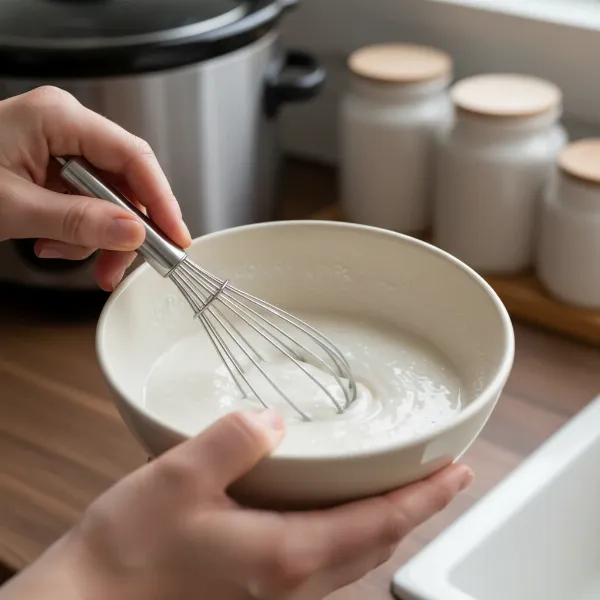
There’s nothing quite like the comforting aroma of a slow-cooked chili filling your kitchen. But after the last spoonful is savored, a less welcome scent can linger – the persistent, pungent memory of chili clinging to your slow cooker’s rubber seal. This isn’t just an annoyance; it can transfer unwanted flavors to your next meal, turning delicate oatmeal into a ghost of beef stew. If you’ve battled this culinary conundrum, rest assured, you’re not alone. This guide will arm you with effective, tested strategies to eliminate those stubborn odors and restore freshness to your slow cooker, ensuring every dish tastes exactly as it should.
The Chili Conundrum: Why Odors Linger in Rubber Seals
Rubber seals, particularly those found in slow cooker lids, are designed to create a tight, insulating barrier that traps heat and moisture, allowing your meals to slow cook to perfection. However, this very design makes them susceptible to absorbing strong food odors. The material of these seals is often porous at a microscopic level, allowing aromatic molecules from potent dishes like chili, curry, or garlic-heavy stews to penetrate and become deeply embedded. Over time, these absorbed compounds, combined with residual moisture and the potential for bacterial growth in tiny crevices, amplify the trapped smells, making them incredibly difficult to dislodge with just regular washing.
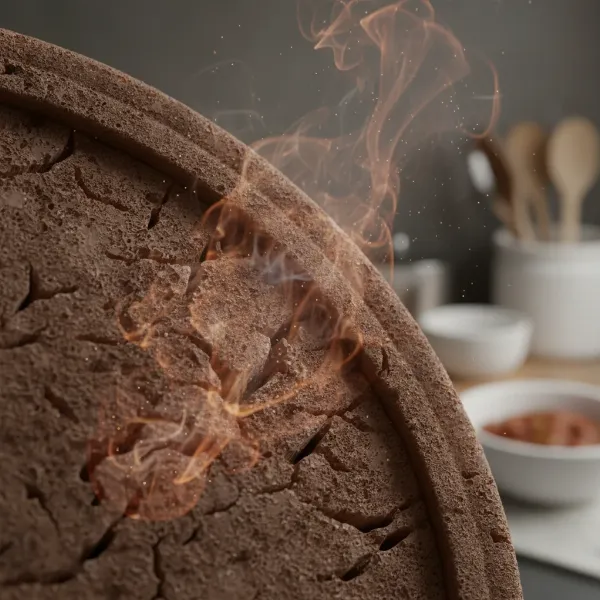 Close-up of a slow cooker rubber seal showing porous texture absorbing food odor molecules.
Your Kitchen Arsenal: Common Odor-Fighting Solutions
Fortunately, you likely already have several powerful odor-eliminating agents in your pantry. These household staples can effectively break down and neutralize the molecules responsible for lingering chili smells in your slow cooker’s rubber seal.
Vinegar and Dish Soap Soak
One of the most highly recommended and effective methods involves a simple soak using distilled white vinegar and a mild dish detergent. Vinegar is an excellent natural deodorizer and disinfectant, while dish soap helps to cut through grease and lift food particles.
- To apply this method: Begin by carefully removing the rubber seal from your slow cooker lid. Fill a basin with undiluted distilled white vinegar, ensuring there’s enough to completely submerge the seal. Add a tablespoon of your favorite mild dish soap and swirl the mixture gently to create some suds. Place the seal into the solution, making sure it’s fully immersed. Let it soak for at least one to two hours, or even overnight for particularly stubborn odors. After soaking, rinse the seal thoroughly with cold water and pat it dry with a clean towel.
|
Our Picks for the Best Slow cooker in 2026
As an Amazon Associate I earn from qualifying purchases.
|
||
| Num | Product | Action |
|---|---|---|
| 1 | Hamilton Beach 6-Quart Slow Cooker with 3 Cooking Settings, Dishwasher-Safe Stoneware Crock & Glass Lid, Silver (33665G) |

|
| 2 | Crock-Pot Large 8-Quart Programmable Slow Cooker with Auto Warm Setting Black Stainless Steel |
|
| 3 | Crock-Pot 6 Quart Cook & Carry Programmable Slow Cooker with Digital Timer Stainless Steel (CPSCVC60LL-S) pack of 1 |
|
| 4 | Ninja MC1101 Foodi Everyday Possible Cooker Pro, 8-in-1 Versatility, One-Pot Faster Cooking Replaces 10 Tools, Family-Sized Capacity with Adjustable Temp Control, 6.5 quarts, Midnight Blue |
|
| 5 | Crock-Pot 7 Quart Oval Manual Slow Cooker, Stainless Steel (SCV700-S-BR), Versatile Cookware for Large Families or Entertaining |
|
| 6 | Ninja MC1001 Foodi PossibleCooker PRO 8.5 Quart Multi-Cooker, with 8-in-1 Slow Cooker, Dutch Oven, Steamer, Glass Lid Integrated Spoon, Nonstick, Oven Safe Pot to 500°F, Sea Salt Gray |
|
| 7 | Slow Cooker 10-Quart - PFOA-Free Ceramic Coating, Oven Safe to 450°F - Keep Warm Function for Large Family Gatherings (Includes Silicone Spoon) |
|
| 8 | Crock-Pot 6 Quart Programmable Slow Cooker with Timer and Auto Food Warmer Setting, Stainless Steel |
|
| 9 | Ninja® 12-in-1 PossibleCooker™ PLUS - 8.5-qt - Sous Vide & Proof Multi-Cooker - Slow Cooker, Dutch Oven & More - Glass Lid & Integrated Spoon - Nonstick - Oven Safe Pot to 500°F - Black - MC1010 |
|
| 10 | Hamilton Beach Slow Cooker, Extra Large 10 Quart, Stay or Go Portable With Lid Lock, Dishwasher Safe Crock, Black (33195) |
|
The Power of Baking Soda
Baking soda is renowned for its ability to absorb odors rather than just masking them. Its alkaline properties help to neutralize acidic food smells.
- To apply this method: You can create a thick paste by mixing baking soda with a small amount of water. Apply this paste generously to all surfaces of the rubber seal, paying extra attention to any grooves or stained areas. Let the paste sit for several hours, or overnight, to allow it to absorb the odors. Alternatively, you can dissolve two tablespoons of baking soda in hot water and soak the seal in this solution, similar to the vinegar method. After treatment, scrub lightly with a soft brush, rinse well, and dry.
Lemon or Citrus Power
The natural acids and refreshing scent of citrus, particularly lemons, can also be beneficial in tackling food odors. While not as potent as vinegar or baking soda for deep-seated smells, it can be a pleasant addition or a mild alternative.
- To apply this method: You can rub the cut side of a lemon directly onto the rubber seal, or soak the seal in warm water with several lemon slices or a splash of lemon juice. Allow it to sit for an hour before rinsing and drying.
Step-by-Step Guide to Deep Cleaning Your Slow Cooker Seal
A methodical approach is crucial for successfully banishing those stubborn chili smells. Follow these steps to ensure a thorough cleaning of your slow cooker’s rubber seal.
- Detach the Seal: Carefully remove the rubber gasket from the slow cooker lid. Most seals are designed to be removable for cleaning, often by gently pulling them out of their groove.
- Initial Wash: Wash the seal immediately with warm, soapy water and a sponge or soft brush. This step removes surface food particles and grease, preparing it for deeper cleaning. Rinse it thoroughly.
- Choose Your Weapon: Select one of the primary odor-fighting methods: the vinegar and dish soap soak, or the baking soda paste/soak. Apply your chosen solution as described in the previous section, allowing ample time for it to work.
- Rinse Thoroughly: After the treatment, rinse the rubber seal under cold running water. Ensure all traces of vinegar, baking soda, or soap are completely removed, as residues can affect the taste of future meals or degrade the rubber over time.
- Dry Completely: This is a critical step. Pat the seal dry with a clean towel, then allow it to air dry completely. Leaving it in direct sunlight for a few hours can be particularly effective, as UV rays have natural deodorizing properties. Ensure it is bone dry before reattaching it to the lid.
Advanced Techniques for Stubborn Smells
Sometimes, the standard cleaning methods aren’t quite enough for deeply embedded chili odors. When basic solutions fall short, these advanced techniques can provide the extra power needed to reclaim your slow cooker’s freshness.
The Freezer Method
Extreme cold can effectively neutralize stubborn odors by halting the activity of odor-causing molecules. This simple, hands-off method requires a bit of patience but can yield excellent results.
- To apply this method: After thoroughly washing and drying your rubber seal, place it inside a freezer-safe bag. Seal the bag and place it in the freezer for a few days. The freezing temperatures help to “shock” the odor-causing particles, effectively breaking them down. Once removed, let the seal return to room temperature before reattaching it.
Baking Your Silicone Seal (with Caution)
For slow cooker seals made from silicone (often found in newer models or multi-cookers like Instant Pots), dry heat can be a surprisingly effective method to “bake out” odors. Silicone is generally heat-resistant, but always check your appliance manual for specific heat tolerances.
- To apply this method: Ensure the silicone seal is clean and completely dry. Preheat your oven to a low temperature, typically around 140-160°C (284-320°F). Place the silicone seal on a baking sheet, ideally lined with parchment paper, and bake for 15 to 20 minutes. This process helps to evaporate the smelly compounds and oils trapped within the silicone. The smell might be noticeable during baking, so ensure good ventilation.
The Self-Cleaning Steam Method
You can harness the power of your slow cooker itself to create a deodorizing steam bath for its lid and seal. This method is particularly effective for odors that have permeated the entire lid assembly.
- To apply this method: Place your slow cooker’s ceramic insert back into the base unit. Add several cups of water and a cup of distilled white vinegar. Slowly add a few tablespoons of baking soda; expect a fizzing reaction. Securely place the lid (with the seal attached or just resting on top if removable) onto the slow cooker. Set the cooker to a LOW heat setting and let it steam for 1 to 2 hours. The steam generated helps to lift and neutralize odors. Afterward, carefully remove the lid, wipe the interior with the hot solution, then wash and thoroughly dry all components.
Dishwasher Option
For seals that are explicitly labeled as dishwasher safe, this can be a convenient option. The high heat and powerful detergents in a dishwasher can sometimes dislodge stubborn odors.
- To apply this method: Place the removable rubber seal on the top rack of your dishwasher to prevent it from getting warped or damaged by direct heat. Run a normal cycle. Always confirm your seal is dishwasher-safe before attempting this, as some materials may degrade under high heat.
Prevention is Key: Keeping Odors at Bay
An ounce of prevention is worth a pound of cure, especially when it comes to combating persistent chili smells. Incorporating a few simple habits into your cleaning routine can significantly reduce the likelihood of odors taking hold in your slow cooker’s rubber seal.
First and foremost, clean your slow cooker lid and seal immediately after use. Don’t let food residue sit and dry on the seal, as this allows aromatic compounds more time to embed themselves. Once the food has been served, remove the lid, take out the rubber seal, and wash both components with warm, soapy water.
Ensure proper and complete drying before storing. Lingering moisture creates an ideal environment for odor-causing bacteria and mildew. After washing, pat the seal dry with a clean cloth, then allow it to air dry completely, ideally in a well-ventilated area or even in direct sunlight for a few hours. Storing your slow cooker with the lid slightly ajar can also promote air circulation and prevent stale odors from building up inside the pot and lid.
If you frequently cook strong-smelling foods like chili or curry in a multi-cooker (which often have more prominent silicone seals), consider investing in a separate rubber seal dedicated solely to these pungent dishes. This simple solution prevents flavor transfer to milder foods and saves you the hassle of intense deodorizing after every spicy meal.
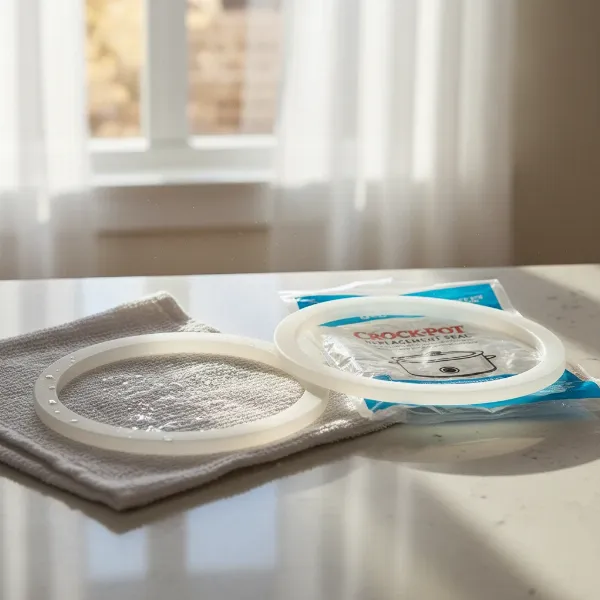 A clean slow cooker rubber seal air-drying on a countertop, possibly in sunlight, next to a second, new seal.
When is it Time for a Replacement?
Despite your best efforts, there comes a point when a rubber seal might be beyond rescue. If odors persist even after trying multiple intensive cleaning methods, it might be a sign that the aromatic compounds have permanently permeated the material.
Beyond just smell, inspect your slow cooker’s rubber seal regularly for signs of wear and tear. Look for cracks, tears, hardening, or any loss of elasticity. A degraded seal not only traps odors more easily but also compromises the slow cooker’s ability to maintain proper temperature and pressure, potentially affecting cooking performance and safety. If the seal shows significant signs of damage or simply won’t release lingering smells, replacing it is the most practical and hygienic solution. Most slow cooker manufacturers offer replacement seals, ensuring your appliance can continue to function efficiently and smell fresh.
Conclusion
A lingering chili scent in your slow cooker’s rubber seal can be a frustrating problem, but it’s far from an unsolvable one. By understanding why these odors take hold and employing a range of practical, household solutions—from targeted vinegar and baking soda soaks to more advanced techniques like freezing or careful baking—you can effectively eliminate those stubborn smells. Remember, consistent cleaning and proper drying are your best defenses against future odor buildup. With these strategies, your slow cooker can return to being the convenient, versatile kitchen tool you love, ready to create delicious, fresh-tasting meals without any unwanted chili flashbacks. What fresh, fragrant dish will you cook next?
Frequently Asked Questions
How often should I clean my slow cooker seal?
It’s best practice to remove and clean your slow cooker’s rubber seal every time you use the appliance, especially after cooking strong-smelling dishes. This immediate action prevents odors from setting in and makes the cleaning process much easier. A thorough drying after each wash is also crucial to prevent odor and mildew.
Why does my slow cooker seal still smell after washing?
Rubber is a porous material that can absorb strong food odors at a microscopic level. Standard washing might only clean the surface, leaving deeply embedded odor molecules trapped within the seal’s material. Lingering moisture or insufficient drying can also contribute to persistent smells and bacterial growth, which amplify the odor.
Is it safe to cook with a smelly slow cooker seal?
While a smelly seal typically doesn’t pose a safety risk for cooking, it can significantly impact the flavor of your food. The absorbed odors can transfer to subsequent dishes, leading to unwanted taste profiles. For the best culinary results, it’s always recommended to ensure your slow cooker seal is free from lingering smells.
Can I use harsh chemicals like bleach on my slow cooker seal?
It is generally advised to avoid using harsh chemicals such as bleach, hydrogen peroxide, or strong abrasive cleaners on your slow cooker’s rubber seal. These chemicals can degrade the rubber material over time, making it brittle, cracked, or less effective, which can compromise the seal’s integrity and lead to premature wear. Stick to natural cleaners like vinegar and baking soda.