Hey there, fellow slow cooking enthusiasts! It’s your friend from Crock Potz, here to chat about something we often overlook: the pot inside the pot. We spend so much time perfecting our recipes, but have you ever stopped to think about what your slow cooker’s insert is actually made of? Choosing the Best Slow Cooker Insert Material can be a total game-changer for your meals, and today, we’re going to break it all down, home-cook to home-cook.
It’s the unsung hero of our “set it and forget it” lifestyle. This single component dictates how evenly your food cooks, how easy cleanup is, and even what you can do with it outside of the slow cooker base. To understand more about how the overall design affects your cooking, exploring the differences between an oval vs round slow cooker can also provide valuable insights. So, grab a cup of coffee, and let’s dive into the heart of your Crockpot.
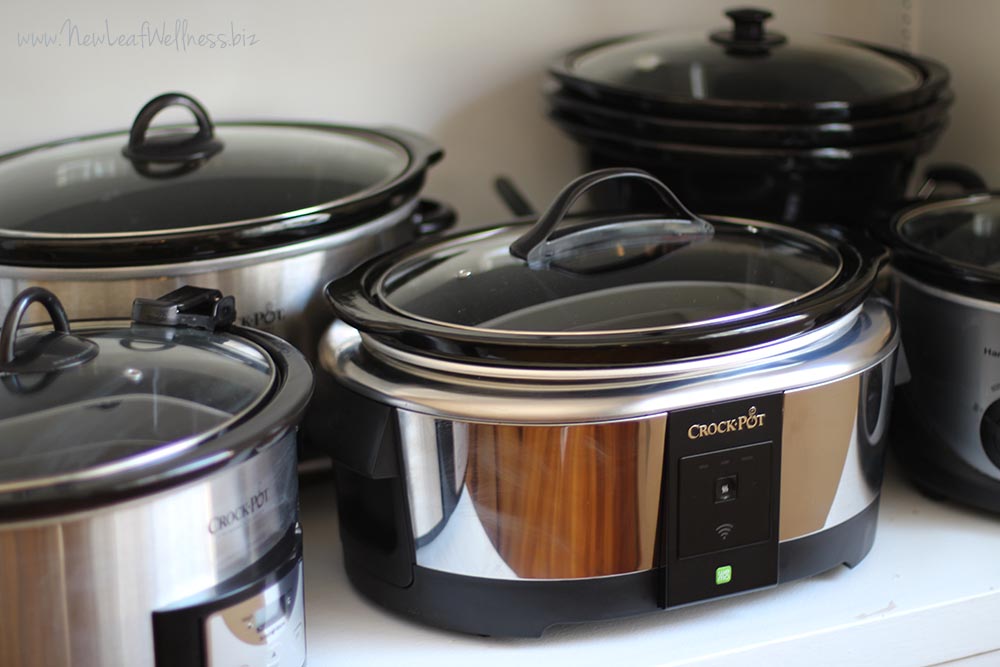
Why Does the Insert Material Even Matter?
You might be thinking, “It’s just a pot, right?” Well, yes and no. Think of it like baking pans. You wouldn’t use a glass dish for a recipe that calls for a dark metal pan and expect the exact same results. The same logic applies here. The material of your slow cooker insert, often called a crock or liner, directly impacts three key things:
- Heat Distribution and Retention: Some materials, like classic stoneware, heat up slowly and hold that heat for a long time, which is fantastic for low-and-slow cooking. Others heat up faster, which can be an advantage for certain dishes.
- Versatility: Can you sear your pot roast on the stove in the same insert before slow cooking it? Can you pop the leftovers, insert and all, into the fridge or even the oven to reheat? The material determines this.
- Durability and Care: Some inserts are workhorses that can handle a few bumps, while others might crack if they experience a sudden temperature change (a tragedy I’ve sadly experienced!).
Understanding these differences is the first step to mastering your machine and finding the best slow cooker insert material for the way you cook.
The Classic Contenders: A Breakdown of Materials
Let’s get into the nitty-gritty. Most slow cooker inserts fall into two main categories: ceramic/stoneware and metal. Each has its die-hard fans, and for good reason.
Traditional Stoneware and Ceramic: The Old Faithful
This is what most of us picture when we think of a Crockpot. That heavy, sturdy, often oval-shaped pot. My very first slow cooker had a classic ceramic insert, and it cooked countless batches of chili and pulled pork to perfection.
- How it Works: Ceramic and stoneware are fantastic insulators. They absorb heat from the surrounding element slowly and then radiate it gently and evenly into your food. This prevents hot spots and scorching, which is crucial for those 8-hour recipes.
- The Pros:
- Superior Heat Retention: It holds heat like a champ. Even after you turn it off, the food stays warm for a good while, which is great for serving.
- Even Cooking: The gentle, all-around heat is perfect for tenderizing tough cuts of meat.
- Affordable: This is the most common and generally most budget-friendly option.
- Non-Reactive: It won’t react with acidic ingredients like tomatoes.
- The Cons:
- Heavy and Fragile: They are heavy to lift, especially when full, and can crack or chip if dropped.
- Thermal Shock Risk: Never take a hot ceramic insert and place it on a cold surface or fill it with cold water. It can crack from the sudden temperature change. Let it cool down first!
- Not Stovetop Safe: You cannot use a traditional ceramic insert on your stove to sear meat. This means you’ll have to use (and wash) an extra pan.
Expert Tip from Sarah Carter, Family Meals Blogger: “The key to a perfect Crockpot meal is layering your ingredients correctly. With a ceramic insert, always place root vegetables like potatoes and carrots at the bottom where the heat is most consistent and direct.”
Metal Inserts (Usually Aluminum with Non-stick): The Modern Multi-Tasker
The newer kid on the block is the metal insert. These are often made from lightweight aluminum and feature a non-stick coating. They look more like a standard pot you’d use on your stove, and that’s their biggest selling point.
- How it Works: Metal is a great conductor of heat, meaning it heats up much faster than ceramic. This can be a slight disadvantage for super long cooks if you’re not careful, but it opens up a world of versatility.
- The Pros:
- Stovetop and Oven Safe: This is the big one! You can sear your meat, sauté your onions, and then place the insert directly into the slow cooker base. Fewer dishes? Yes, please! It’s a true one-pot meal.
- Lightweight: So much easier to carry from the counter to the sink.
- Durable: You don’t have to worry about it cracking from thermal shock or a small bump.
- The Cons:
- Less Heat Retention: It cools down faster once turned off.
- Non-stick Coating: While convenient, the coating can be scratched by metal utensils. Always use wood, silicone, or nylon. Over time, the coating can wear down.
- Potential for Hot Spots: Because it conducts heat so well, it can sometimes develop hotter spots at the bottom, though good models distribute heat well.
For those who often take their meals to potlucks or family gatherings, many models with metal inserts also come with travel-friendly features. This is a key consideration when searching for the best slow cooker with locking lid to prevent spills on the go.
|
Our Picks for the Best Crockpot in 2025
As an Amazon Associate, we earn from qualifying purchases.
|
||
| Num | Product | Action |
|---|---|---|
| 1 | Sunvivi Dual Pot Slow Cooker, 2 Pot Small Mini Crock Buffet Server and Warmer, Upgraded Oval Ceramic Double Pot Buffet Food Warmer Adjustable Temp Glass Lid, Total 2.5 Quarts |

|
| 2 | Crockpot 2-Quart Classic Slow Cooker Small Slow Cooker Black |
|
| 3 | bella 6.0 Qt Programmable Slow Cooker, Ceramic Nonstick Coating, Adjustable Temperature & Cooking Times, Dishwasher Safe Stoneware Pot & Tempered Glass Lid, Tangle Free Cord Wrap, Plum |
|
| 4 | Crock-Pot 7 Quart Oval Manual Slow Cooker, Stainless Steel (SCV700-S-BR), Versatile Cookware for Large Families or Entertaining |
|
| 5 | Crock-Pot 7-Quart Slow Cooker, Portable Programmable with Timer, Locking Lid, Stainless Steel; an Essential Kitchen Appliance, Perfect for Families and Gatherings |
|
| 6 | Crock-Pot 6 Quart Cook & Carry Programmable Slow Cooker with Digital Timer Stainless Steel (CPSCVC60LL-S) pack of 1 |
|
| 7 | Double Slow Cooker, 2 x 1.25 QT Portable Small Dual Crock Cooker, Buffet Servers and Warmers Dishwasher Safe, Removable Ceramic Pot Glass Lid, Stainless Steel Black |
|
| 8 | Ninja Foodi PossibleCooker PRO- Sous Vide & Proof 6-in-1 Multi-Cooker, with 8.5 Quarts, Slow Cooker, Dutch Oven & More, Glass Lid & Integrated Spoon, Oven Safe Pot to 500°F, Black, MC1010 |
|
| 9 | Hamilton Beach 6-Quart Slow Cooker with 3 Cooking Settings, Dishwasher-Safe Stoneware Crock & Glass Lid, Silver (33665G) |
|
| 10 | Crock-Pot Large 8-Quart Programmable Slow Cooker with Auto Warm Setting Black Stainless Steel |
|
Quick Comparison: Ceramic vs. Metal
To make it even easier, here’s a side-by-side look:
| Feature | Ceramic / Stoneware Insert | Metal (Non-stick) Insert |
|---|---|---|
| Heat Retention | Excellent | Fair to Good |
| Versatility | Low (cooker base only) | High (stovetop, oven, fridge) |
| Durability | Fragile, prone to cracking | High, but coating can scratch |
| Weight | Heavy | Lightweight |
| Cleanup | Easy, but can stain | Very Easy (if non-stick is intact) |
| Best For | “Set it and forget it” purists, traditional low-and-slow recipes like roasts and stews. | Busy cooks who value one-pot convenience for searing and browning. |
How to Choose the Best Slow Cooker Insert Material for You
Okay, we’ve laid out the facts. Now for the real question: which one is right for your kitchen?
Are You a “Dump Dinner” Devotee?
If your slow cooking style is all about convenience—dumping all the ingredients in, setting the timer, and walking away—then a classic ceramic or stoneware insert is your best friend. Its forgiving, even heat is perfect for these types of one-pot wonders and ensures you won’t come home to a burnt mess. It’s the reliable workhorse of the slow cooking world.
Are You a Flavor-First Home Chef?
If you believe that searing meat and sautéing aromatics is a non-negotiable step for building deep flavor (and I’m with you!), then a stovetop-safe metal insert will change your life. The ability to brown a chuck roast or caramelize onions in the insert itself before starting the slow cook process is a convenience that’s hard to beat. It saves time, and more importantly, it saves you from washing an extra skillet.
Making the right choice often comes down to matching the appliance to your lifestyle. Just as you’d weigh material options, considering various models is the next logical step. To get a broader view, you can explore a list of what are the best slow cooker brands to see which ones offer the insert type you prefer.
Frequently Asked Questions (FAQ)
1. Can I put my ceramic slow cooker insert in the oven?
Generally, no. Most traditional ceramic inserts are not designed to withstand the direct, dry heat of an oven and can crack. Always check your manufacturer’s manual, but it’s best to assume it is not oven-safe unless explicitly stated.
2. How do I clean tough, baked-on food from my stoneware crock?
Fill the crock with warm, soapy water and let it soak for a few hours or overnight. For very stubborn spots, you can make a paste of baking soda and water, apply it to the spot, let it sit, and then gently scrub with a non-abrasive sponge.
3. Is a scratched non-stick metal insert still safe to use?
If the non-stick coating has minor surface scratches, it’s generally considered safe. However, if the coating is peeling, flaking, or deeply gouged, it’s best to replace the insert. Ingesting small flakes isn’t toxic, but the performance will be compromised and food will stick.
4. Can I use a metal insert for acidic foods like tomato sauce?
Yes. Modern non-stick and aluminum inserts are designed to be non-reactive, so they are perfectly safe for cooking acidic foods without imparting any metallic taste.
5. Why did my ceramic insert crack?
The most common cause is thermal shock. This happens when the insert undergoes a rapid and extreme temperature change—for example, moving it from a hot slow cooker base directly into a sink of cold water, or adding frozen ingredients to a pre-heated crock. Always allow it to cool gradually.
The Final Verdict
So, what’s the verdict on the best slow cooker insert material? As with so many things in the kitchen, there’s no single “best” for everyone. It all comes down to your cooking style.
The traditional stoneware/ceramic insert is the undisputed king of low-and-slow, even cooking. It’s perfect for the person who loves the pure, simple magic of a “set it and forget it” meal.
The modern metal insert is the champion of convenience and versatility. It’s the ideal choice for the cook who wants to build layers of flavor by searing and sautéing, all in one pot.
Personally, I have both in my kitchen and use them for different things! The important part is knowing the strengths and weaknesses of your tools. By understanding what’s inside your slow cooker, you’re one step closer to making every meal a delicious, effortless success.
What kind of insert does your slow cooker have, and do you love it? Share your experiences in the comments below! I’d love to hear what you’re cooking with.