Hello, fellow slow cooking enthusiasts! It’s your friend from Crock Potz, here to dive into a topic that sits right at the heart of our beloved appliance: the insert. We spend so much time perfecting our recipes, but the pot itself can make all the difference. The great Ceramic Vs Metal Insert Pot debate is one I see all the time, and it’s a crucial one. Are you team classic ceramic or team modern metal? Let’s break it down, get to the bottom of it, and figure out which one truly belongs in your kitchen.
What’s the Big Deal About a Slow Cooker Insert Anyway?
You might be thinking, “It’s just the pot, right?” Well, yes and no. The material of your slow cooker’s insert, or “crock,” is the MVP of your meal. It dictates how heat is distributed, whether you can sear your meat on the stovetop first, how heavy it is to carry to a potluck, and how much elbow grease you’ll need for cleanup. Choosing the right one can elevate your slow cooking from just convenient to absolutely game-changing. It’s the difference between a good “dump dinner” and a truly spectacular one-pot masterpiece.
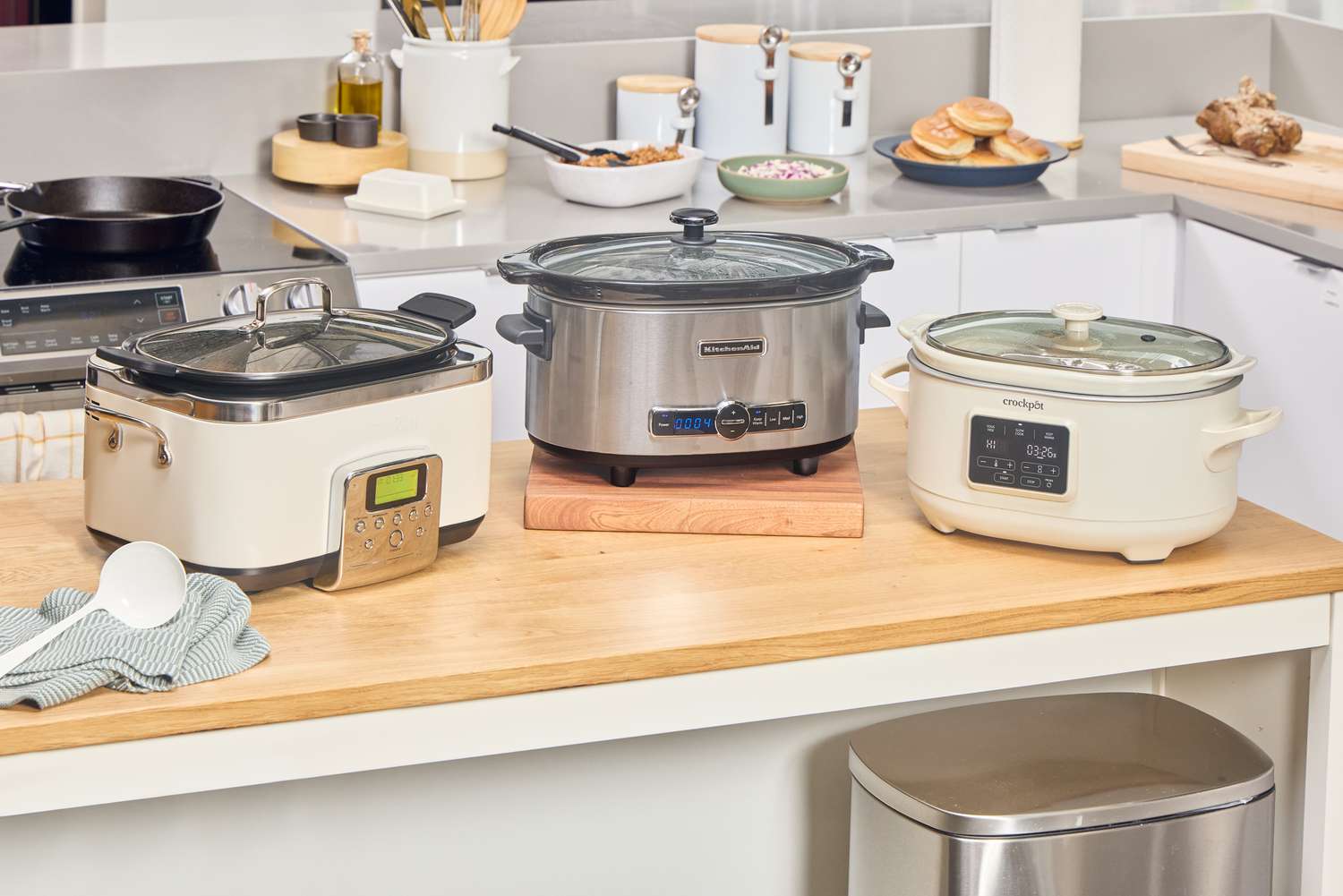
The Classic Crock: All About Ceramic Inserts
When you picture a traditional Crockpot, you’re probably picturing a heavy, sturdy ceramic or stoneware insert. This is the old-school original, and for many, it’s still the champion of low-and-slow cooking. I grew up with the comforting weight of my mom’s ceramic slow cooker, and the smell of her pot roast simmering away is a core memory.
The Pros of Going Ceramic
- Unbeatable Heat Distribution: Ceramic is the king of even, consistent heat. It warms up slowly and holds that temperature steadily for hours, which is the very essence of slow cooking. This gentle heat is perfect for tenderizing tough cuts of meat and preventing scorching at the bottom.
- Non-Reactive Surface: Worried about your tomato-based chili or a lemony chicken dish having a metallic taste? With ceramic, that’s a non-issue. Its inert surface won’t react with acidic ingredients, ensuring your food’s flavor stays pure and delicious.
- Naturally Non-Stick (Mostly): A well-made ceramic glaze is surprisingly slick. While it’s not the same as a Teflon coating, it does a great job of preventing food from sticking, making cleanup relatively straightforward.
- Often More Affordable: Generally, slow cookers with ceramic inserts tend to be more budget-friendly, making them an accessible entry point for new cooks.
The Cons to Consider
- No Stovetop Searing: This is the biggest drawback. You cannot put a standard ceramic insert on a direct flame or stovetop. Trying to do so will likely cause it to crack from thermal shock. This means you’ll need a separate pan to brown your meat, adding an extra dish to your cleanup pile.
- Heavy and Bulky: These inserts have some serious heft! Carrying a full 6-quart ceramic pot from the counter to the table can be a bit of a workout.
- Fragile: They are prone to cracking and chipping. I’ll never forget the heartbreaking sound when I accidentally dropped my favorite insert on the kitchen tile. It’s a devastating (and potentially expensive) mistake.
As home cooking expert Sarah Carter often says, “The beauty of a ceramic crock is its patience. It doesn’t rush the process; it coaxes the flavor out of every ingredient through slow, steady heat. It’s the soul of traditional slow cooking.”
The Modern Challenger: Unpacking Metal Inserts
Stepping into the ring is the newer, sleeker contender: the metal insert. These are typically made from aluminum with a non-stick coating and are designed to solve the biggest problem of their ceramic cousins—the lack of versatility.
The Advantages of a Metal Pot
- Stovetop-Safe Convenience: This is the game-changer. You can take the lightweight metal insert, place it directly on your gas or electric stovetop, sear your roast or brown your onions, and then return it to the slow cooker base to finish the job. It transforms your slow cooker into a true one-pot meal machine.
- Lightweight and Easy to Handle: Say goodbye to the heavy lifting. Metal inserts are a breeze to carry, clean, and store.
- Durable: You don’t have to worry about a simple bump causing a catastrophic crack. These pots are much more resilient to drops and dings.
- Heats Up Quickly: Metal conducts heat much faster than ceramic, so your slow cooker will get up to temperature more quickly.
Potential Drawbacks of Metal
- Less Even Heating: The trade-off for heating up fast is the potential for hot spots. Because metal doesn’t retain and distribute heat as evenly as thick ceramic, you might find that areas closer to the heating element get hotter, which can sometimes lead to uneven cooking if you’re not careful.
- Non-Stick Coating Concerns: Most metal inserts rely on a non-stick coating. This is great for cleanup, but it can be scratched by metal utensils. Over time, the coating can wear away, and some people have concerns about the long-term durability and safety of these coatings.
- Can Be Reactive: Depending on the material and coating, some metal pots can react with highly acidic foods, though this is less of a problem with modern, high-quality coatings.
Ceramic vs Metal Insert Pot: A Head-to-Head Comparison
To make it even clearer, let’s put them side-by-side.
| Feature | Ceramic Insert | Metal Insert |
|---|---|---|
| Heat Distribution | Excellent, very even and consistent. | Good, but can have hot spots. |
| Stovetop Searing | No, absolutely not. | Yes, this is its main advantage. |
| Durability | Prone to cracking and chipping. | Very durable and resistant to drops. |
| Weight | Heavy and bulky. | Lightweight and easy to handle. |
| Cleaning | Generally easy, but can require soaking. | Very easy, thanks to non-stick coating. |
| Price | Typically more affordable. | Often comes with a higher price tag. |
| Best For | Soups, stews, roasts, “set it and forget it” meals. | Recipes requiring searing, cooks who value convenience. |
|
Our Picks for the Best Crockpot in 2026
As an Amazon Associate, we earn from qualifying purchases.
|
||
| Num | Product | Action |
|---|---|---|
| 1 | Double Slow Cooker, 2 x 1.25 QT Portable Small Dual Crock Cooker, Buffet Servers and Warmers Dishwasher Safe, Removable Ceramic Pot Glass Lid, Stainless Steel Black |

|
| 2 | Crock-Pot 6 Quart Cook & Carry Programmable Slow Cooker with Digital Timer Stainless Steel (CPSCVC60LL-S) pack of 1 |
|
| 3 | Hamilton Beach 6-Quart Slow Cooker with 3 Cooking Settings, Dishwasher-Safe Stoneware Crock & Glass Lid, Silver (33665G) |
|
| 4 | Crock-Pot 7-Quart Slow Cooker, Portable Programmable with Timer, Locking Lid, Stainless Steel; an Essential Kitchen Appliance, Perfect for Families and Gatherings |
|
| 5 | Ninja Foodi PossibleCooker PRO- Sous Vide & Proof 6-in-1 Multi-Cooker, with 8.5 Quarts, Slow Cooker, Dutch Oven & More, Glass Lid & Integrated Spoon, Oven Safe Pot to 500°F, Black, MC1010 |
|
| 6 | bella 6.0 Qt Programmable Slow Cooker, Ceramic Nonstick Coating, Adjustable Temperature & Cooking Times, Dishwasher Safe Stoneware Pot & Tempered Glass Lid, Tangle Free Cord Wrap, Plum |
|
| 7 | Crock-Pot 7 Quart Oval Manual Slow Cooker, Stainless Steel (SCV700-S-BR), Versatile Cookware for Large Families or Entertaining |
|
| 8 | Sunvivi Dual Pot Slow Cooker, 2 Pot Small Mini Crock Buffet Server and Warmer, Upgraded Oval Ceramic Double Pot Buffet Food Warmer Adjustable Temp Glass Lid, Total 2.5 Quarts |
|
| 9 | Crock-Pot Large 8-Quart Programmable Slow Cooker with Auto Warm Setting Black Stainless Steel |
|
| 10 | Crockpot 2-Quart Classic Slow Cooker Small Slow Cooker Black |
|
So, How Do You Choose the Right Insert for You?
The best choice in the ceramic vs metal insert pot debate really comes down to your personal cooking style and what you value most in the kitchen. There isn’t a single right answer for everyone. The choice often comes down to personal preference and the specific models you’re looking at. For a deeper dive into this, understanding what are the best slow cooker brands can help you see which materials they favor and why.
Choose a Ceramic Insert If…
- You are a slow cooking purist who lives by the “set it and forget it” mantra.
- You primarily make soups, chilis, and pot roasts where even, gentle heat is paramount.
- You don’t mind using an extra pan for browning meat beforehand.
- You’re careful with your cookware and have the strength to handle a heavier pot.
Choose a Metal Insert If…
- You despise washing extra pans and want the ultimate one-pot convenience.
- You frequently make recipes that start with searing or sautéing.
- You value a lightweight, durable pot that’s easy to move and store.
- You’re willing to use non-metal utensils to protect the non-stick surface.
Frequently Asked Questions
Can I put my ceramic slow cooker insert in the oven?
Generally, yes, most modern ceramic inserts are oven-safe up to a certain temperature (usually around 400°F or 200°C). However, you must always check the manufacturer’s instructions for your specific model to be sure. Never put the plastic lid in the oven.
Can you put a ceramic crock pot on the stove?
No. Never place a standard ceramic or stoneware slow cooker insert on a direct heat source like a stovetop or broiler. The rapid, uneven temperature change, known as thermal shock, will almost certainly cause it to crack.
How do I clean a stained ceramic insert?
For tough, baked-on stains, fill the insert with water to cover the stained area, add a few tablespoons of baking soda and a squirt of dish soap. Set the slow cooker on “Low” for a couple of hours, then let it cool and scrub. The stains should come right off.
Is a scratched metal insert safe to use?
Minor surface scratches on a non-stick coating are generally not a major safety concern. However, if the coating is peeling, flaking, or deeply gouged, it’s best to replace the insert to avoid particles of the coating getting into your food.
Can I buy a replacement insert for my slow cooker?
Yes, most major brands sell replacement inserts for their popular models. If you crack your ceramic crock or scratch your metal pot, check the manufacturer’s website. It’s much cheaper than buying a whole new appliance.
The Final Verdict
Ultimately, the ceramic vs metal insert pot decision is a personal one. I actually own both types and use them for different things! I reach for my classic ceramic crock for my all-day beef stew, but I grab my stovetop-safe metal insert for a quick weeknight chicken cacciatore that starts with browning on the stove. Neither is universally “better”—they just excel at different things.
Think about the meals you make most often and what part of the process you’d like to simplify. I’d love to hear from you! What kind of insert do you use, and why do you love it? Drop a comment below and let’s keep the slow cooking conversation going.