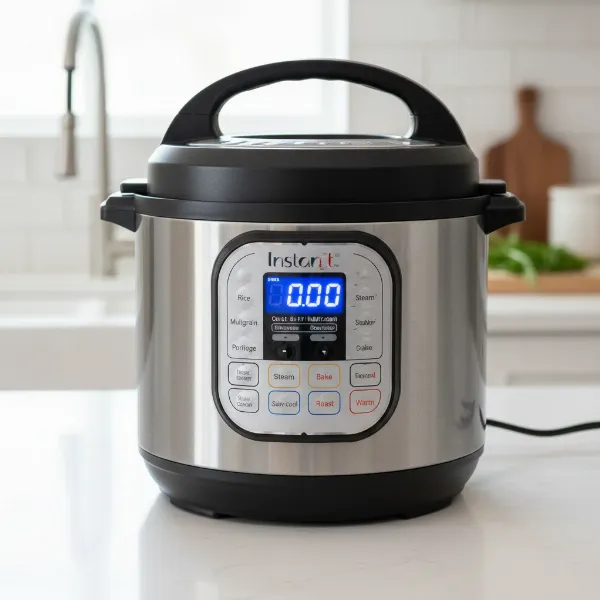
The slow cooker is a beloved kitchen companion, making weeknight meals effortless and flavorful. While you meticulously clean the removable stoneware insert, have you considered the often-neglected metal housing? Over time, drips, splatters, and general kitchen grime can accumulate on its exterior, not only making your appliance look unappealing but also potentially posing a safety hazard if not cleaned correctly. Understanding how to properly clean this crucial part of your slow cooker, especially with electrical safety in mind, is vital for maintaining its performance and ensuring your peace of mind. This comprehensive guide will walk you through effective and safe cleaning methods, guaranteeing your slow cooker remains sparkling and shock-risk free.
The Importance of Cleaning Your Slow Cooker’s Exterior
Beyond mere aesthetics, regularly cleaning your slow cooker’s metal housing is essential for hygiene, longevity, and safe operation. Accumulated food spills and grease can become baked on, leading to unpleasant odors and potentially attracting pests. More critically, excessive grime buildup, particularly around vents or controls, could impede proper heat dissipation, affecting the appliance’s efficiency. Neglecting the exterior also increases the risk of dirt or food particles falling into your freshly prepared meals. A clean exterior contributes significantly to the overall health and safety of your kitchen environment.
Essential Safety Precautions Before You Begin
Electrical appliances and water can be a dangerous combination, making safety the absolute priority when cleaning your slow cooker’s metal housing. Before even reaching for a cleaning cloth, you must adhere to fundamental precautions to eliminate any risk of electric shock.
The cardinal rule is to always unplug your slow cooker from the electrical outlet and allow it to cool completely to the touch. Rushing this step or attempting to clean a plugged-in or warm appliance is incredibly risky. Once unplugged and cool, take a moment to inspect the power cord and plug for any signs of damage, such as fraying, cuts, or bent prongs. If you notice any damage, discontinue use and consider professional repair or replacement. Remember, never immerse the slow cooker’s heating base or any electrical components in water or any other liquid. This action can cause severe electrical damage to the appliance and create a shock hazard.
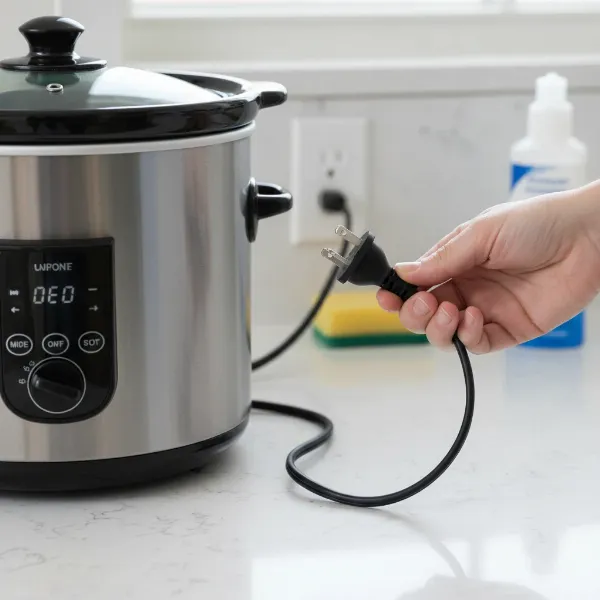 Close-up of a slow cooker unplugged from the wall outlet, emphasizing electrical safety before cleaning.
Step-by-Step Guide to Cleaning the Metal Housing
With safety as your foundation, you can now effectively tackle the dirt and grime on your slow cooker’s metal housing. Different levels of mess require varying approaches, from simple wipe-downs to more targeted treatments for stubborn spots.
General Cleaning for Everyday Spills
|
Our Picks for the Best Slow cooker in 2026
As an Amazon Associate I earn from qualifying purchases.
|
||
| Num | Product | Action |
|---|---|---|
| 1 | Hamilton Beach Slow Cooker, Extra Large 10 Quart, Stay or Go Portable With Lid Lock, Dishwasher Safe Crock, Black (33195) |

|
| 2 | Ninja MC1101 Foodi Everyday Possible Cooker Pro, 8-in-1 Versatility, One-Pot Faster Cooking Replaces 10 Tools, Family-Sized Capacity with Adjustable Temp Control, 6.5 quarts, Midnight Blue |
|
| 3 | Crock-Pot 6 Quart Programmable Slow Cooker with Timer and Auto Food Warmer Setting, Stainless Steel |
|
| 4 | Crock-Pot 6 Quart Cook & Carry Programmable Slow Cooker with Digital Timer Stainless Steel (CPSCVC60LL-S) pack of 1 |
|
| 5 | Crock-Pot 7 Quart Oval Manual Slow Cooker, Stainless Steel (SCV700-S-BR), Versatile Cookware for Large Families or Entertaining |
|
| 6 | Hamilton Beach 6-Quart Slow Cooker with 3 Cooking Settings, Dishwasher-Safe Stoneware Crock & Glass Lid, Silver (33665G) |
|
| 7 | Ninja MC1001 Foodi PossibleCooker PRO 8.5 Quart Multi-Cooker, with 8-in-1 Slow Cooker, Dutch Oven, Steamer, Glass Lid Integrated Spoon, Nonstick, Oven Safe Pot to 500°F, Sea Salt Gray |
|
| 8 | Ninja® 12-in-1 PossibleCooker™ PLUS - 8.5-qt - Sous Vide & Proof Multi-Cooker - Slow Cooker, Dutch Oven & More - Glass Lid & Integrated Spoon - Nonstick - Oven Safe Pot to 500°F - Black - MC1010 |
|
| 9 | Crock-Pot Large 8-Quart Programmable Slow Cooker with Auto Warm Setting Black Stainless Steel |
|
| 10 | Slow Cooker 10-Quart - PFOA-Free Ceramic Coating, Oven Safe to 450°F - Keep Warm Function for Large Family Gatherings (Includes Silicone Spoon) |
|
For light dust, minor drips, or everyday smudges, a quick and simple method is usually sufficient. Gather a soft microfiber cloth, warm water, and a pea-sized drop of mild dish soap. Dampen the cloth with warm, soapy water, ensuring it is damp and not dripping wet. Gently wipe down the entire exterior metal housing, paying attention to any visible marks. Once cleaned, rinse your microfiber cloth thoroughly with clean water, wring it out until barely damp, and wipe the exterior again to remove any soap residue. Finally, dry the unit completely with a clean, dry dish towel to prevent water spots and ensure no moisture lingers.
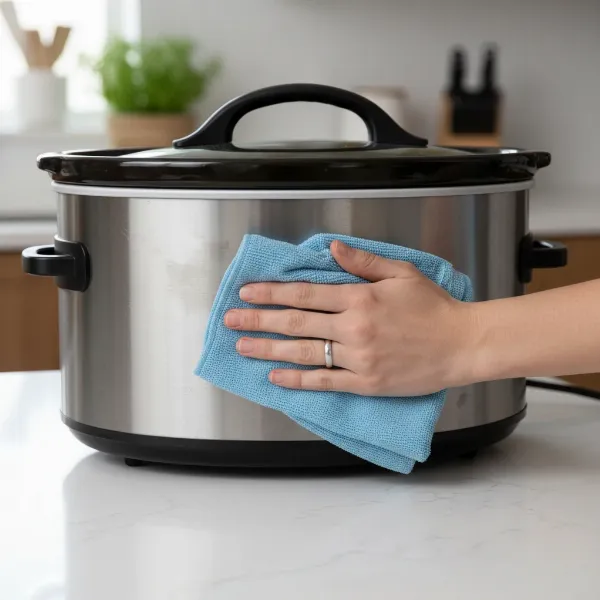 Hand wiping the metal exterior of a slow cooker with a damp microfiber cloth, showing general cleaning.
Tackling Stubborn Stains and Burnt-On Residue
Sometimes, food overflows or forgotten spills can lead to tough, baked-on stains that require a more robust approach.
Baking Soda Paste Power
Baking soda is a natural, non-abrasive cleaner perfect for stubborn grime. Create a thick paste by mixing a small amount of baking soda with just enough water. Apply this paste directly to the stained areas on the metal housing. Let the paste sit for at least 30 minutes, or even up to an hour, allowing it to work on loosening the burnt residue. After soaking, gently scrub the area with a damp (not wet) sponge or a soft brush, like an old toothbrush, which can reach into crevices effectively. Wipe away the paste and loosened grime with a clean, damp cloth, then dry thoroughly. Exercise caution if considering adding vinegar, as its fizziness, while helpful for cleaning, introduces more liquid near electrical components, which should be avoided.
The “Steam Clean” Trick (Use with Caution)
For residues inside the metal housing (the area where the ceramic insert sits), if the unit is still slightly warm (but always unplugged and completely cooled for safety), you can use a damp cloth and tongs to carefully wipe away softened residue. The residual warmth can help “steam clean” light grime, making it easier to remove. However, be extremely cautious with residual heat to prevent burns and ensure the cloth is only damp, not saturated, to avoid introducing excess moisture into the electrical components.
Other Options for Tough Spots
Some users have found success with alternative cleaning agents for specific issues:
- Rubbing Alcohol: For sticky residues or quick evaporation, applying a small amount of rubbing alcohol to a cloth can be effective as it evaporates rapidly, minimizing moisture concerns.
- Magic Eraser: A melamine foam eraser can be used gently on tough spots, but always test on an inconspicuous area first to ensure it doesn’t dull or scratch the finish.
- Wet Paper Towel Method: For caked-on messes within the insert’s cavity (if it’s a completely enclosed base with a drainage port, though many are not), some have had success by placing thoroughly wrung-out wet paper towels inside the unplugged base for about an hour to soften the crud before wiping. This method should only be attempted if you are absolutely certain your specific slow cooker model has a sealed base and drainage, otherwise, it risks internal water damage.
What to Absolutely Avoid When Cleaning Your Slow Cooker
To maintain your slow cooker’s functionality and prevent electrical hazards, certain cleaning practices must be avoided at all costs.
Firstly, never immerse the metal heating base in water or any other liquid. This is the most crucial safety warning and ignoring it can lead to severe electrical shock or permanent damage to your appliance. Secondly, refrain from using abrasive cleaners, harsh chemicals, steel wool, or scouring pads on the metal housing. These can scratch the surface, strip away protective coatings, or leave behind residues that may be harmful or difficult to remove. Similarly, avoid directly spraying any cleaning solutions onto the slow cooker’s exterior, especially near control panels, vents, or the power cord entry point, as liquids can seep into electrical components. Lastly, never attempt to clean the appliance with metal utensils or tools that could conduct electricity or damage the wiring.
Maintaining a Spotless Slow Cooker: Preventative Tips
Prevention is always easier than cure when it comes to appliance maintenance. Adopting a few simple habits can keep your slow cooker’s metal housing clean and extend its lifespan.
Make it a routine to wipe down the exterior metal housing immediately after each use, once the unit has cooled and been unplugged. This prevents food particles and grease from drying and becoming stubborn stains. Utilizing slow cooker liners can be a game-changer, as they contain spills within the liner, preventing food from overflowing into the heating base. Always ensure you don’t overfill the ceramic insert, leaving adequate space for bubbling and expansion during cooking. Regularly inspecting the power cord and plug for wear and tear will help you catch potential issues before they become hazards.
Expert Insights for Appliance Longevity
“Proper care is key to extending the life of your kitchen appliances,” advises our lead technician with over a decade of slow cooker expertise. “Always prioritize safety by unplugging the unit and never immersing the electrical base. Following manufacturer guidelines for cleaning specific models is also paramount to ensure you’re using the right methods for your particular appliance.” Adhering to these simple yet critical rules will protect both you and your investment.
Conclusion
Keeping your slow cooker’s metal housing clean and well-maintained is a straightforward process that safeguards both your appliance and your safety. By consistently unplugging the unit, allowing it to cool, and using appropriate, non-abrasive cleaning methods, you can effortlessly remove grime and prevent electrical hazards. Regular, gentle cleaning not only ensures your slow cooker looks its best but also contributes to its efficiency and longevity, guaranteeing many more years of delicious, hassle-free meals.
What’s your favorite tip for keeping your slow cooker in pristine condition?
Frequently Asked Questions
Can I put my slow cooker’s metal base in the dishwasher?
No, absolutely not. The metal housing contains electrical components and heating elements that would be severely damaged by immersion in water and the high temperatures of a dishwasher, creating a significant shock risk.
What should I do if water accidentally gets inside the heating element?
If water gets inside the heating element, immediately unplug the slow cooker (if it was plugged in) and do not use it. Allow it to dry completely for several days in a well-ventilated area, or even a week, to ensure all moisture has evaporated before attempting to plug it in again. If you have any doubt, it is best to consult the manufacturer or a qualified appliance technician.
How often should I clean the exterior metal housing?
Ideally, the exterior metal housing should be wiped down with a damp cloth after every use, once the unit has cooled and is unplugged. For deeper cleaning of stubborn stains, address them as needed to prevent them from becoming baked on over time.
Is it safe to use commercial kitchen degreasers on the slow cooker exterior?
Most manufacturers recommend using only mild dish soap and water for the exterior. Commercial degreasers can sometimes be too harsh, potentially damaging the finish or leaving residues. If you must use one, choose a non-abrasive, appliance-safe degreaser and apply it sparingly to a cloth, never directly to the unit, and always test on an inconspicuous area first.