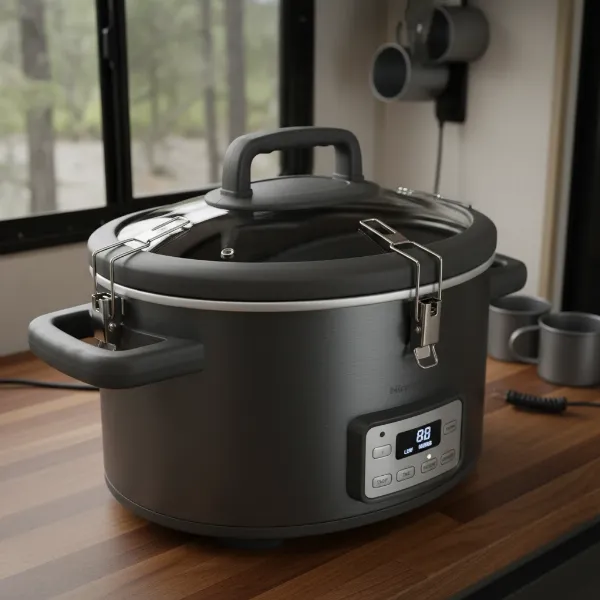
In today’s fast-paced world, finding time for wholesome, home-cooked meals can feel like a luxury. Many of us turn to slow cookers for their convenience, but what if you could achieve those same tender, flavorful results without plugging anything in? Enter the Wonderbag non-electric slow cooker, an ingenious, insulated cooking solution that promises to revolutionize your kitchen and your cooking habits. Far more than just a kitchen gadget, the Wonderbag offers a blend of tradition, innovation, and social responsibility, providing a unique approach to sustainable meal preparation.
What is the Wonderbag Non-Electric Slow Cooker?
The Wonderbag is a simple yet revolutionary non-electric slow cooker, essentially an insulated fabric bag designed to continue cooking food using retained heat. Its origins trace back to South Africa, where environmentalist Sarah Collins was inspired by her grandmother’s method of wrapping hot pots in blankets to continue cooking during frequent power outages. This traditional wisdom led to the creation of the modern Wonderbag, bringing an age-old concept into contemporary kitchens worldwide.
At its core, the Wonderbag operates on the principle of heat retention cooking. It doesn’t generate heat itself but rather insulates a pre-heated pot, allowing the food inside to cook slowly and gently without any additional energy source. The bag is typically filled with repurposed foam chips or polystyrene, providing a highly effective thermal barrier that keeps heat locked in for hours. This clever design ensures your meal continues to simmer to perfection while you go about your day, completely off the grid.
How Does the Wonderbag Work Its Magic?
The process of cooking with a Wonderbag is remarkably straightforward, following a simple “boil it, bag it, stand it, and share it” methodology. First, you prepare your ingredients and bring them to a boil on your stovetop or other heat source. The key is to ensure the food reaches a vigorous boil and simmers for a few minutes, thoroughly heating all components of the dish.
Once your pot of food has been adequately heated, you carefully transfer it, with its lid securely on, into the Wonderbag. The heavy insulation of the bag immediately begins to trap the heat. You then cinch the drawstring tightly, sealing the pot within the thermal environment. From this point, the Wonderbag takes over, continuing the cooking process through its heat-retention technology. Food can remain hot and continue cooking for up to 8 to 12 hours, depending on the ingredients and initial temperature. This method not only cooks your food thoroughly but also prevents it from drying out or burning, delivering consistently moist and flavorful results.
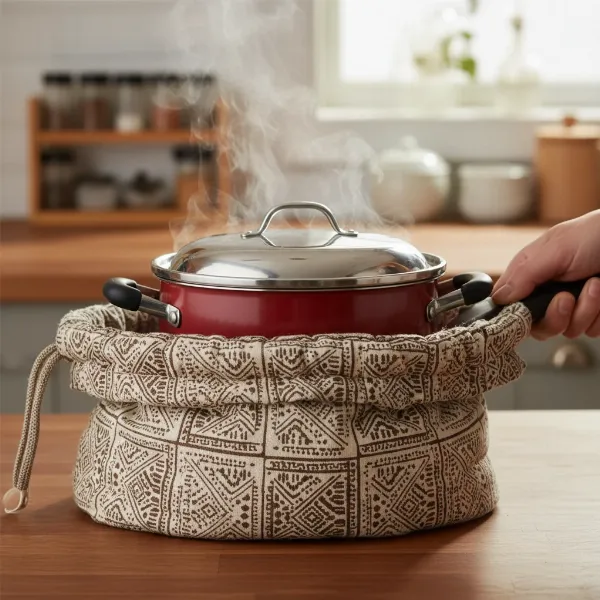 A hot cooking pot with lid securely placed inside an open Wonderbag for non-electric slow cooking.
Unpacking the Benefits: Why Choose a Wonderbag?
The appeal of the Wonderbag extends far beyond its novel non-electric design, offering a multitude of benefits for both individual users and the global community.
Energy Efficiency and Environmental Impact
|
Our Picks for the Best Slow cooker in 2026
As an Amazon Associate I earn from qualifying purchases.
|
||
| Num | Product | Action |
|---|---|---|
| 1 | Crock-Pot Large 8-Quart Programmable Slow Cooker with Auto Warm Setting Black Stainless Steel |

|
| 2 | Crock-Pot 7 Quart Oval Manual Slow Cooker, Stainless Steel (SCV700-S-BR), Versatile Cookware for Large Families or Entertaining |
|
| 3 | Ninja® 12-in-1 PossibleCooker™ PLUS - 8.5-qt - Sous Vide & Proof Multi-Cooker - Slow Cooker, Dutch Oven & More - Glass Lid & Integrated Spoon - Nonstick - Oven Safe Pot to 500°F - Black - MC1010 |
|
| 4 | Crock-Pot 6 Quart Cook & Carry Programmable Slow Cooker with Digital Timer Stainless Steel (CPSCVC60LL-S) pack of 1 |
|
| 5 | Hamilton Beach 6-Quart Slow Cooker with 3 Cooking Settings, Dishwasher-Safe Stoneware Crock & Glass Lid, Silver (33665G) |
|
| 6 | Hamilton Beach Slow Cooker, Extra Large 10 Quart, Stay or Go Portable With Lid Lock, Dishwasher Safe Crock, Black (33195) |
|
| 7 | Slow Cooker 10-Quart - PFOA-Free Ceramic Coating, Oven Safe to 450°F - Keep Warm Function for Large Family Gatherings (Includes Silicone Spoon) |
|
| 8 | Ninja MC1001 Foodi PossibleCooker PRO 8.5 Quart Multi-Cooker, with 8-in-1 Slow Cooker, Dutch Oven, Steamer, Glass Lid Integrated Spoon, Nonstick, Oven Safe Pot to 500°F, Sea Salt Gray |
|
| 9 | Ninja MC1101 Foodi Everyday Possible Cooker Pro, 8-in-1 Versatility, One-Pot Faster Cooking Replaces 10 Tools, Family-Sized Capacity with Adjustable Temp Control, 6.5 quarts, Midnight Blue |
|
| 10 | Crock-Pot 6 Quart Programmable Slow Cooker with Timer and Auto Food Warmer Setting, Stainless Steel |
|
One of the most compelling advantages of the Wonderbag is its significant contribution to energy savings and environmental sustainability. By eliminating the need for continuous electricity or gas, it can reduce a household’s cooking fuel usage by up to 70-80%. This substantial reduction translates directly into lower energy bills and a smaller carbon footprint. Furthermore, the widespread adoption of Wonderbags can lead to remarkable environmental benefits, including a reduction of CO2 emissions by up to 1 ton per bag per year and saving approximately 1.7 trees from deforestation annually. It also helps decrease indoor air pollution by up to 60%, a critical factor in communities reliant on open fires for cooking.
Unparalleled Convenience and Portability
Imagine starting a meal in the morning and returning hours later to a perfectly cooked, warm dish, all without supervision. The Wonderbag makes this a reality, offering unparalleled convenience for busy individuals and families. Its portability makes it an ideal companion for a variety of activities, from camping trips and tailgating events to picnics, potlucks, and long car journeys. You can even use it as a makeshift cooler by simply adding an icepack, demonstrating its versatile temperature-controlling material. For those in areas prone to power outages, the Wonderbag provides a reliable method for cooking without interruption, ensuring hot meals even when the electricity is off.
Enhanced Flavor and Nutrition
The gentle, consistent heat retention of the Wonderbag creates a cooking environment that locks in moisture and preserves nutrients, often resulting in dishes that are more flavorful and tender than those cooked by conventional methods. The slow, even cooking prevents food from burning or drying out, ensuring that every ingredient reaches its full potential. “Cooking with retained heat allows flavors to meld beautifully over time, creating a depth that hurried cooking often misses,” explains Sarah Collins, the visionary behind the Wonderbag. This method minimizes evaporation, meaning less water is needed, and the natural juices of your food are retained.
Social and Humanitarian Impact
Beyond its practical kitchen applications, the Wonderbag carries a profound social and humanitarian mission. For every Wonderbag purchased in developed countries, another is donated to a family in need in Africa. This “buy one, give one” model directly addresses energy poverty and empowers communities by reducing the time spent gathering firewood, minimizing the risk of kitchen accidents from open flames, and enabling families to cook nutritious meals even without access to electricity. It’s a product that not only helps you but also makes a tangible difference in the lives of others.
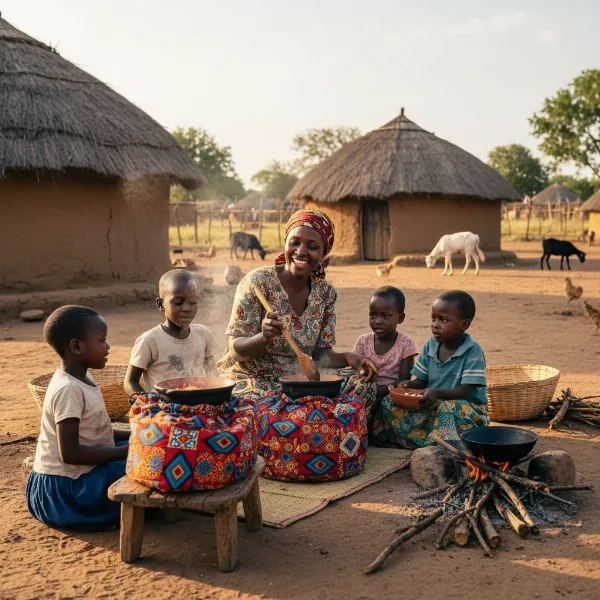 A family in an African village using a Wonderbag for cooking, emphasizing its humanitarian benefits.
What Can You Cook in a Wonderbag? (And What Are Its Limitations?)
The versatility of the Wonderbag allows for a wide array of dishes, making it a valuable addition to any kitchen. It excels at preparing foods that benefit from long, slow cooking times.
Ideal Dishes for the Wonderbag:
- Stews and Soups: Hearty beef stews, chicken noodle soups, lentil soups, and vegetable broths are perfect for the Wonderbag, developing rich flavors and tender textures.
- Curries: From creamy chicken kormas to spicy vegetarian curries, the Wonderbag allows spices to infuse deeply.
- Rice and Grains: Perfectly cooked fluffy rice, quinoa, and other grains can be achieved, often preventing burning that can occur on a stovetop.
- Pulses: Beans and lentils, which typically require long simmering, are excellent candidates for Wonderbag cooking.
- Pulled Meats: While very tough cuts might need a bit more initial heat or a longer pre-simmer, dishes like pulled pork or shredded chicken can be prepared to a succulent tenderness.
- Desserts: Believe it or not, some custards and fruit crumbles can also be successfully slow-cooked.
The Wonderbag accommodates pots ranging from 2 to 9 quarts, with metal and cast iron pots being particularly effective due to their excellent heat retention.
Considerations and Limitations:
While highly effective, it’s important to understand the Wonderbag’s nuances. It does not add heat, only retains it. Therefore, thorough initial heating is crucial. For very tough cuts of meat, some users report that an electric slow cooker might achieve a more “fall-apart” tender result due to continuous low heat, as opposed to the Wonderbag’s gradually decreasing temperature. Additionally, food safety is paramount: ensure your food reaches a safe temperature initially, and avoid letting it sit below 140°F (60°C) for more than two hours before serving or refrigerating. Always use a potholder or trivet underneath your hot pot to protect the Wonderbag’s fabric.
Wonderbag vs. Traditional Electric Slow Cookers: A Comparison
The Wonderbag stands apart from conventional electric slow cookers in several key areas. Here’s a brief comparison to help you understand their differences:
| Feature | Wonderbag Non-Electric Slow Cooker | Traditional Electric Slow Cooker |
|---|---|---|
| Power Source | None (uses retained heat) | Electricity |
| Portability | Highly portable; ideal for camping, picnics, travel | Limited portability; requires an electrical outlet |
| Environmental Impact | Low carbon footprint, reduces fuel use, combats deforestation | Consumes electricity, contributes to energy demand |
| Cost | No ongoing electricity costs | Electricity consumption adds to utility bills |
| Initial Setup | Requires initial stovetop heating | Plug in and select setting |
| Cooking Style | Gradually decreasing temperature, gentle cooking, prevents drying/burning | Consistent low heat, can sometimes overcook or dry out food |
| Ideal Dishes | Soups, stews, curries, rice, pulses, moist dishes | Wide range of slow-cooked dishes, including tougher meats |
| Safety | Reduces accidents, no risk of burning, food safety requires awareness | Automatic shut-off, but power outages can be an issue |
Tips for Maximizing Your Wonderbag Experience
To get the most out of your Wonderbag, consider these practical tips:
Hướng dẫn sử dụng nồi nấu chậm an toàn và hiệu quả
Always bring your food to a rolling boil and simmer for the recommended time (usually 10-20 minutes, depending on the recipe and ingredients) before transferring it to the Wonderbag. Use a heavy-bottomed pot, preferably cast iron or stainless steel, as these retain heat exceptionally well. Ensure the pot lid is tight-fitting to prevent heat from escaping.
Cách vệ sinh và bảo quản nồi sau khi sử dụng
For cleaning, the Wonderbag is conveniently machine washable on a gentle cycle. Spot clean any spills promptly. To store, simply fluff it up or compress it if space is limited. Some users even keep it in their car for transporting hot or cold items.
Các lỗi thường gặp và cách khắc phục
If your food isn’t cooked through, it often means the initial boiling time was insufficient, or the pot wasn’t hot enough. Always use a thick potholder or trivet at the bottom of the Wonderbag to protect the fabric from scorching. For foods that require a very long cook, like certain bean dishes, you might need to re-boil the pot after a few hours and return it to the Wonderbag for continued cooking. Always use a meat thermometer if you’re unsure about the internal temperature of meats.
Where to Buy Your Wonderbag
The Wonderbag is available through various online retailers, including major e-commerce platforms and specialized eco-friendly kitchenware stores. Keep an eye out for promotions, as purchasing a Wonderbag not only benefits you but also supports its incredible global initiative.
Conclusion
The Wonderbag non-electric slow cooker is more than just an innovative kitchen tool; it’s a statement about conscious cooking and global responsibility. By harnessing the power of retained heat, it offers a pathway to delicious, energy-efficient meals, whether you’re at home, camping, or simply looking to reduce your environmental footprint. Its blend of traditional wisdom, modern design, and profound social impact makes it a truly unique product worth exploring.
Ready to transform your cooking experience and contribute to a more sustainable world? Discover the Wonderbag and unlock a new realm of culinary possibilities.
Frequently Asked Questions
Is the Wonderbag safe to use for cooking?
Yes, the Wonderbag is safe when used correctly. The key is to bring food to a vigorous boil first to kill bacteria and initiate cooking, then transfer it to the Wonderbag. Monitor cooking times and ensure food is kept above 140°F (60°C) during the main cooking phase, especially for proteins, to prevent bacterial growth.
How long does food stay hot and cook in a Wonderbag?
Food can remain hot and continue cooking for up to 8 to 12 hours. The exact duration depends on factors like the type of food, the volume of ingredients, the initial temperature, and the pot’s material (cast iron and heavy-bottomed pots retain heat longer).
Can you cook raw meat in a Wonderbag?
You cannot cook raw meat solely in a Wonderbag. All ingredients, especially meat, must be brought to a full boil on a stovetop and simmered for a sufficient time before being placed into the Wonderbag. The Wonderbag maintains the cooking temperature but does not generate new heat, so proper initial heating is critical for food safety and thorough cooking.
How do you clean a Wonderbag?
The Wonderbag is designed for easy cleaning. It can be spot-cleaned for minor spills or, for a more thorough wash, it is machine washable on a gentle cycle with cold water and minimal detergent. Always ensure it is completely dry before storing to prevent mildew.
What size pots fit in a Wonderbag?
The Wonderbag is designed to accommodate various pot sizes, typically ranging from 2 quarts (approximately 1.9 liters) up to 9 quarts (approximately 8.5 liters). Metal and cast iron pots are recommended as they are excellent at retaining heat.