Imagine coming home to perfectly tender, flavorful beans, ready to be enjoyed in your favorite dishes, all without the fuss of overnight soaking. For many, cooking dried beans from scratch seems like a time-consuming chore, often overlooked in favor of convenience. However, with a slow cooker, transforming humble dried beans into a versatile, nutritious, and cost-effective staple is not only possible but surprisingly simple – even without a single minute of pre-soaking. This guide will walk you through the entire process, unlocking the secret to hands-off bean preparation that fits seamlessly into any busy lifestyle.
What is a Slow Cooker and How Does It Revolutionize Bean Cooking?
A slow cooker, often known by its popular brand name, Crock-Pot, is an electric cooking appliance that simmers food at a low temperature over an extended period. Typically consisting of a ceramic or porcelain pot enclosed in a heating unit with a lid, it operates by maintaining a consistent, gentle heat, allowing ingredients to cook slowly and evenly. This prolonged, low-temperature cooking method is particularly well-suited for dried beans, which require significant time and moisture to soften and become digestible. The slow cooker’s ability to maintain a stable cooking environment without direct supervision makes it an invaluable tool for preparing beans from their dried state, eliminating the need for constant monitoring and stirring that stovetop methods often demand. The gentle heat helps break down complex starches, resulting in a creamy texture and richer flavor that canned beans simply can’t match.
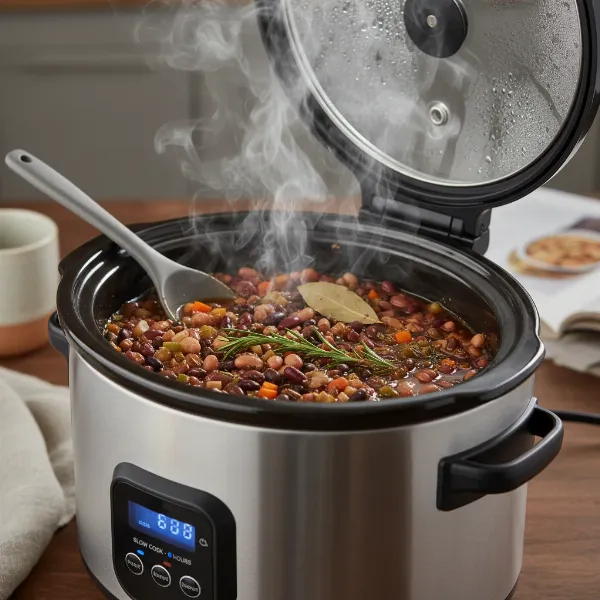 An electric slow cooker gently simmering dried beans to a tender, flavorful consistency.
The “No-Soak” Debate: Safety and Benefits
The question of whether to soak dried beans often sparks lively discussions among home cooks. For decades, soaking has been recommended to reduce cooking time and improve digestibility. However, the good news for slow cooker enthusiasts is that for most varieties of dried beans, pre-soaking is entirely optional when utilizing this appliance. The extended cooking times characteristic of slow cookers provide ample opportunity for the beans to fully hydrate and soften, making the traditional soak largely unnecessary.
One critical safety caveat to remember involves red kidney beans. These beans contain a natural toxin called phytohaemagglutinin (PHA), which can cause severe digestive upset if not properly neutralized. To eliminate this toxin, red kidney beans (and to a lesser extent, white kidney beans and broad beans) must be brought to a rapid boil for at least 10-30 minutes before being transferred to a slow cooker. This high heat is crucial for denaturing the PHA; slow cooker temperatures alone, especially on a low setting, might not reach the necessary level to render them safe. For all other common bean varieties like pinto, black, navy, or cannellini beans, the slow cooker’s prolonged cooking process is sufficient to ensure safety.
Beyond convenience, cooking beans from scratch in a slow cooker without soaking offers several benefits. It saves time in meal preparation, as there’s no need to plan ahead for an overnight soak. The consistent low heat often yields beans with a superior, creamier texture and a deeper, more developed flavor profile compared to quick-soaking methods or even canned alternatives. Furthermore, the absence of an initial boil means fewer opportunities for nutrient loss, potentially preserving more of the beans’ natural goodness.
Preparing Your Dried Beans for the Slow Cooker
Even without soaking, proper preparation is key to successful slow cooker beans. Begin by sorting through your dried beans. Spread them out on a light-colored surface, such as a baking sheet or clean countertop, and carefully inspect them for any small stones, debris, or shriveled, discolored, or broken beans. Discard anything that doesn’t look perfect. This step is essential to ensure a pleasant eating experience.
Once sorted, place the beans in a colander and rinse them thoroughly under cold running water. Agitate the beans with your hands to remove any dust or surface impurities. This simple rinse is all the “washing” your beans will need before going into the slow cooker.
The quality and age of your dried beans can significantly impact cooking time and final texture. Fresher beans, typically purchased from stores with high turnover, will generally cook faster and more evenly than older beans that may have been sitting on a shelf for a long time. While older beans can still be cooked, they might require additional cooking time and potentially more liquid. If you’re unsure about the age of your beans, it’s best to err on the side of a longer cooking duration.
When it comes to liquid, a general rule of thumb is to add enough water or stock to cover the beans by at least 2-3 inches. A common ratio is one part dried beans to three or four parts liquid. For instance, one pound of dried beans (approximately 2 cups) will typically require 6-8 cups of liquid. Using hot water instead of cold can sometimes help kickstart the cooking process a bit faster, though it’s not strictly necessary.
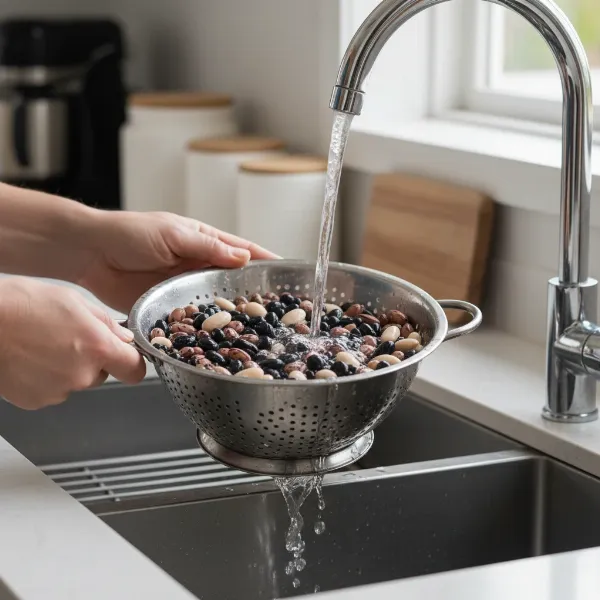 Hands rinsing dried beans in a colander under cold running water before slow cooking.
Step-by-Step Guide to Cooking Dried Beans in Your Slow Cooker
Cooking unsoaked dried beans in a slow cooker is remarkably straightforward, offering a set-it-and-forget-it approach to a healthy meal component. Here’s a basic method:
- Preparation: As outlined above, sort through your dried beans to remove any debris and rinse them thoroughly under cold water.
- Combine Ingredients: Place the rinsed beans directly into your slow cooker. Add your chosen liquid (water or broth) ensuring the beans are covered by at least 2-3 inches. This generous amount of liquid is crucial as beans will absorb a considerable volume during their long cooking process.
- Aromatics and Flavor: Now is the time to add aromatics and unacidic flavorings.
- Onions and Garlic: Chopped onions and minced garlic are classic additions that infuse the beans with a foundational savory flavor.
- Herbs and Spices: Bay leaves are excellent for a subtle, earthy note. Other spices like cumin, chili powder, or oregano can be added now, depending on your desired flavor profile.
- Smoked Meats: For richer flavor, consider adding a smoked ham hock, a piece of bacon, or a smoked turkey leg to the pot.
- Setting the Cooker: Cover your slow cooker with its lid. For unsoaked beans, cooking on the HIGH setting is generally recommended, especially for the initial hours, to ensure the beans reach a safe temperature and begin softening effectively.
- Cooking Time: Cooking times will vary based on your specific slow cooker model, the type of bean, and how fresh they are.
- On HIGH: Most unsoaked beans will be tender in 5-8 hours.
- On LOW: If cooking on low, expect a longer duration, typically 8-14 hours.
- Specific Beans: Smaller, softer beans like black beans or pinto beans might be ready faster (e.g., 4-6 hours on high), while larger or firmer beans like cannellini or kidney beans (after pre-boiling if red) may take closer to 6-8 hours on high or up to 12 hours on low. Lentils and split peas cook much faster, often in 3-6 hours.
- When to Add Salt and Acidic Ingredients: This is a crucial tip for perfectly tender beans. Adding salt or acidic ingredients (like tomatoes, vinegar, or lemon juice) too early can prevent the beans from softening, leading to tough, chewy results. Always wait until the beans are mostly tender before stirring in salt. Acidic ingredients should be added in the last 30 minutes to an hour of cooking, or even after the beans are fully cooked, depending on the recipe.
- Check for Doneness: Start checking the beans for tenderness an hour or two before the estimated cooking time is complete. They should be soft and creamy, not mushy, and certainly not firm or chalky. If they are still firm, continue cooking and check every hour.
Essential Tips for Perfect Slow Cooker Beans (No Soaking Required)
Achieving consistently delicious slow cooker beans without soaking is easy with a few expert tips:
- Patience with Salt and Acid: Remember the golden rule: hold off on adding salt and any acidic ingredients until your beans are already tender. Early addition can significantly prolong cooking time and result in tough beans. Salt in the last hour or after cooking is ideal for flavor.
- Maintain Liquid Levels: Dried beans absorb a lot of liquid as they cook and expand. Periodically check the water level, especially if cooking on high. If the liquid seems too low, add more hot water or broth to ensure the beans remain submerged. This prevents them from drying out or cooking unevenly.
- Drain for Digestibility: The cooking liquid, especially from unsoaked beans, often contains oligosaccharides – complex sugars that can cause gas and bloating. For better digestibility, many prefer to drain and rinse the cooked beans before using them in recipes, particularly if not making a soup or stew where the broth is intended.
- Freezing for Future Meals: Cooked beans are fantastic for meal prep. Once cooled, store them in airtight containers or freezer bags with a little of their cooking liquid (or fresh water) for up to three months. This makes them a convenient, ready-to-use ingredient for future meals.
- Test for True Doneness: Don’t rely solely on the clock. The true test of doneness is texture. A perfectly cooked bean should be creamy and tender throughout, easily mashable between your fingers, without any chalkiness in the center. Taste a few beans from different parts of the pot to confirm.
- Avoid Overfilling: Do not fill your slow cooker more than two-thirds full with beans and liquid combined. Beans expand significantly, and overfilling can lead to spillage and uneven cooking.
“The slow cooker transforms dried beans from a daunting task into a simple, hands-off culinary delight. The key is understanding that ‘no-soak’ doesn’t mean ‘no-effort’ in terms of safety checks, especially for kidney beans, but it certainly means less active cooking time!” – Admin, Crockpotz.com
Troubleshooting Common Slow Cooker Bean Issues
Even with the simplicity of slow cooking, you might occasionally encounter challenges. Here are solutions to common issues:
- Beans Still Hard After Hours: If your beans remain hard despite extended cooking, several factors could be at play. The most common reasons are old beans (which take longer to cook), too little liquid (beans need to be submerged to hydrate properly), or the premature addition of salt or acidic ingredients. Ensure you’re using fresh beans, maintain adequate liquid, and add salt/acid only towards the end. If all else fails, continue cooking, possibly on a higher setting, until tender.
- Too Much or Too Little Liquid: If there’s too much liquid at the end, simply drain the excess. If there’s too little and the beans are drying out during cooking, add more hot water or broth as needed to keep them submerged. A good ratio for most beans is 1:3 (beans to liquid).
- Foaming: Some beans, particularly those cooked without soaking, may produce a foamy layer on top during the initial cooking phase. This is normal and harmless. You can simply skim it off with a spoon if desired, though it typically dissipates on its own.
- Mushy Beans: Overcooking can lead to mushy beans. While mushy beans are still perfectly edible and great for mashing into dips, if you prefer firmer beans, start checking them earlier than the recommended minimum cooking time.
Beyond Basic Beans: Flavor Variations and Recipes
Once you’ve mastered the art of cooking unsoaked beans in your slow cooker, a world of culinary possibilities opens up. The beauty of homemade beans is their versatility and ability to absorb flavors.
Flavor Enhancements to Try:
- Smoky Depth: Add a smoked paprika, chipotle peppers in adobo sauce, or a vegetarian liquid smoke during cooking for a deep, smoky flavor.
- Herbal Infusion: Experiment with fresh herbs like rosemary, thyme, or cilantro (added towards the end) for aromatic variations.
- Spicy Kick: A pinch of cayenne pepper, a diced jalapeño, or a dried chili pepper can add a pleasant heat.
- Rich Umami: A tablespoon of tomato paste (added towards the end with other acidic ingredients), a dash of soy sauce, or a parmesan rind can boost savory notes.
Ideas for Using Your Cooked Beans:
- Hearty Soups and Stews: Beans are a cornerstone of chili, minestrone, and various bean soups.
- Savory Salads: Add cooled beans to grain bowls, green salads, or create a refreshing bean salad with fresh vegetables and a zesty vinaigrette.
- Wholesome Dips and Spreads: Mash them into hummus, refried beans, or a rustic white bean dip.
- Tacos, Burritos, and Bowls: Replace ground meat or complement it with seasoned beans for a satisfying filling.
- Side Dishes: Simply season with herbs, garlic, and a drizzle of olive oil for a nutritious side.
Conclusion: Embrace the Simplicity of No-Soak Slow Cooker Beans
Cooking dried beans in a slow cooker without soaking is a game-changer for anyone seeking convenience, flavor, and nutrition in their kitchen. By simply sorting, rinsing, adding water, and allowing your slow cooker to work its magic, you can effortlessly produce tender, delicious beans ready for countless culinary creations. Remember the few safety precautions, especially for red kidney beans, and follow the simple steps to achieve perfect results every time. This method not only saves time and money but also connects you to the satisfying tradition of cooking from scratch, elevating your meals with wholesome, homemade goodness.
So, why not give it a try and transform your cooking routine? What delicious bean dish will you create first with your perfectly slow-cooked, no-soak beans?
Frequently Asked Questions
Is it truly safe to cook dried beans without soaking in a slow cooker?
|
Our Picks for the Best Slow cooker in 2026
As an Amazon Associate I earn from qualifying purchases.
|
||
| Num | Product | Action |
|---|---|---|
| 1 | Slow Cooker 10-Quart - PFOA-Free Ceramic Coating, Oven Safe to 450°F - Keep Warm Function for Large Family Gatherings (Includes Silicone Spoon) |

|
| 2 | Ninja MC1101 Foodi Everyday Possible Cooker Pro, 8-in-1 Versatility, One-Pot Faster Cooking Replaces 10 Tools, Family-Sized Capacity with Adjustable Temp Control, 6.5 quarts, Midnight Blue |
|
| 3 | Ninja® 12-in-1 PossibleCooker™ PLUS - 8.5-qt - Sous Vide & Proof Multi-Cooker - Slow Cooker, Dutch Oven & More - Glass Lid & Integrated Spoon - Nonstick - Oven Safe Pot to 500°F - Black - MC1010 |
|
| 4 | Crock-Pot Large 8-Quart Programmable Slow Cooker with Auto Warm Setting Black Stainless Steel |
|
| 5 | Crock-Pot 7 Quart Oval Manual Slow Cooker, Stainless Steel (SCV700-S-BR), Versatile Cookware for Large Families or Entertaining |
|
| 6 | Crock-Pot 6 Quart Programmable Slow Cooker with Timer and Auto Food Warmer Setting, Stainless Steel |
|
| 7 | Crock-Pot 6 Quart Cook & Carry Programmable Slow Cooker with Digital Timer Stainless Steel (CPSCVC60LL-S) pack of 1 |
|
| 8 | Hamilton Beach Slow Cooker, Extra Large 10 Quart, Stay or Go Portable With Lid Lock, Dishwasher Safe Crock, Black (33195) |
|
| 9 | Hamilton Beach 6-Quart Slow Cooker with 3 Cooking Settings, Dishwasher-Safe Stoneware Crock & Glass Lid, Silver (33665G) |
|
| 10 | Ninja MC1001 Foodi PossibleCooker PRO 8.5 Quart Multi-Cooker, with 8-in-1 Slow Cooker, Dutch Oven, Steamer, Glass Lid Integrated Spoon, Nonstick, Oven Safe Pot to 500°F, Sea Salt Gray |
|
Yes, for most dried bean varieties, it is safe to cook them without pre-soaking in a slow cooker. The extended cooking time ensures they reach safe temperatures and become fully tender. However, red kidney beans must be boiled rapidly for at least 10-30 minutes on the stovetop before slow cooking to neutralize a natural toxin called phytohaemagglutinin (PHA).
How long do unsoaked beans take in a slow cooker?
Cooking times vary depending on the type and age of the beans, as well as your slow cooker. Generally, unsoaked beans take 5-8 hours on the HIGH setting or 8-14 hours on the LOW setting. Softer beans like black beans might be ready faster, while denser beans may require more time.
Can I add salt to beans when slow cooking?
It is best to add salt only after the beans are mostly tender or fully cooked. Adding salt too early in the cooking process can prevent the beans from softening properly, resulting in a tough texture. Stir in salt during the last hour of cooking or once the beans are done to taste.
What if my beans are still hard after cooking for many hours?
If your beans remain hard, it could be due to several factors: the beans might be very old, there wasn’t enough liquid, or acidic ingredients or salt were added too early. Ensure the beans are fully submerged in liquid, and if they’re still firm, continue cooking on high, checking periodically, until they reach desired tenderness.
Which beans are best for the no-soak method in a slow cooker?
Most common dried beans work wonderfully with the no-soak slow cooker method. Excellent choices include pinto beans, black beans, navy beans, great northern beans, cannellini beans, and black-eyed peas. Remember the specific pre-boiling requirement for red kidney beans.