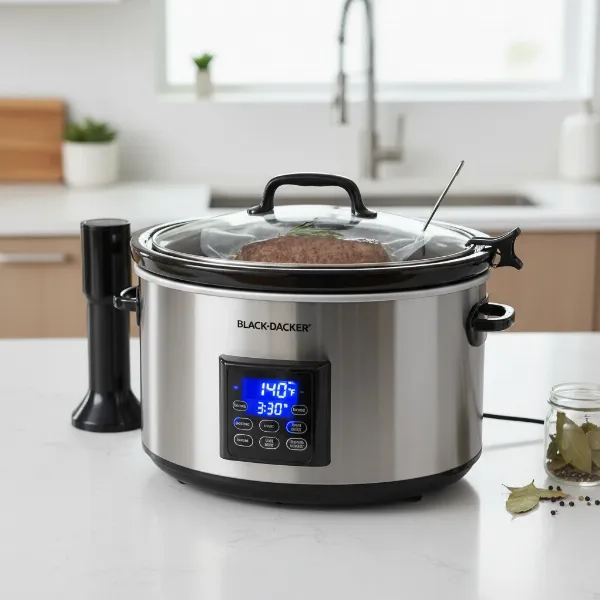
For many home cooks, the slow cooker is an indispensable kitchen companion, transforming tough cuts into tender meals and simplifying dinner preparation. This trusty appliance allows you to “set it and forget it,” delivering delicious results with minimal fuss. However, when choosing a slow cooker, a common question arises: which type—manual or digital—offers greater longevity? Understanding the core differences and what contributes to their lifespan can help you make an informed decision that suits your culinary habits and lasts for years to come.
What is a Slow Cooker?
A slow cooker, often generically referred to by the popular brand name Crock-Pot, is an electric countertop appliance designed to cook food at a low temperature over an extended period. Its principle is simple: a heated outer casing gently warms an inner pot, typically made of ceramic or stoneware, while a tight-fitting lid traps moisture and heat. This sustained, low heat breaks down tough fibers in meats and vegetables, resulting in incredibly tender, flavorful dishes.
The history of the slow cooker dates back to the early 20th century, but it gained widespread popularity in the 1970s as more women entered the workforce and sought convenient meal solutions. Modern slow cookers consist of three primary components: the outer housing with a heating element, a removable inner pot (crock), and a lid. The heating element surrounds the inner pot, ensuring even heat distribution, while the crock is typically dishwasher-safe for easy cleaning.
The Enduring Appeal: Benefits of Slow Cooking
The enduring popularity of slow cookers stems from a host of benefits that cater to modern lifestyles. They are champions of convenience, allowing you to prepare ingredients in the morning and return home to a hot, ready-to-eat meal. This hands-off approach frees up valuable time, making delicious home-cooked meals accessible even on the busiest days.
Beyond convenience, slow cooking excels at tenderizing less expensive cuts of meat and infusing dishes with deep, rich flavors. The sealed environment helps retain moisture and nutrients, preventing food from drying out and preserving its wholesome goodness. From hearty stews and flavorful chilis to succulent roasts and even desserts, the versatility of a slow cooker is remarkable. They are also energy-efficient, often consuming less electricity than a conventional oven, and are generally safe and easy to operate, making them a kitchen staple for many.
Manual Slow Cookers: The Simplicity of Durability
Manual slow cookers represent the classic, no-frills approach to slow cooking. These models are characterized by their simple control dials, typically offering settings like “Off,” “Low,” “High,” and sometimes “Warm.” There are no digital displays, complex programming, or intricate electronic components to navigate.
The inherent simplicity of manual slow cookers is often their greatest asset when it comes to longevity. With fewer electronic parts, there’s less to malfunction or break down over time. The primary components—a heating element, a simple switch, and the stoneware crock—are robust and built for endurance. Many users report that their manual slow cookers, especially vintage models, have lasted for decades, a testament to their straightforward design. This makes them a reliable and often more affordable option for those who prioritize durability and a basic, dependable cooking experience.
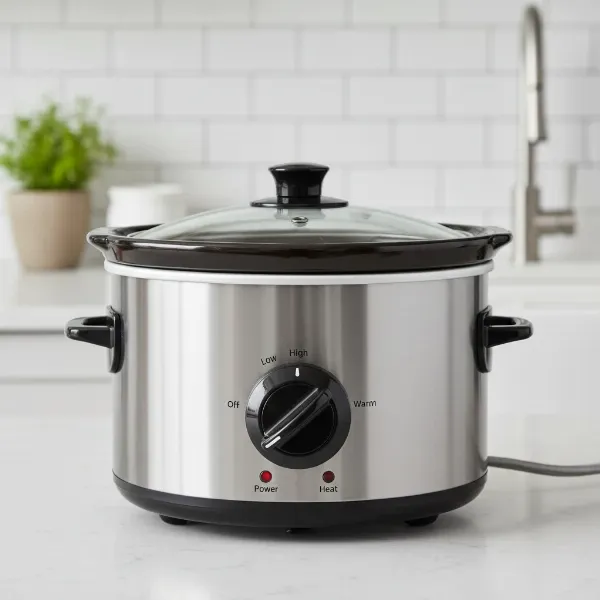 A classic manual slow cooker with a simple dial for low, high, and warm settings.
However, this simplicity comes with certain trade-offs. Manual slow cookers do not feature built-in timers or automatic shut-off functions. This means you need to manually switch the setting to “Warm” or turn the appliance off once the cooking time is complete. If left unattended beyond the recipe’s recommended cooking duration, food can easily become overcooked, potentially leading to a dry or less appetizing meal. Despite this, for those who are often home or use an external timer, the manual slow cooker offers a robust and long-lasting solution.
Digital Slow Cookers: The Convenience of Technology
Digital slow cookers, in contrast, embrace modern technology to enhance convenience and offer more precise control over the cooking process. These models feature electronic control panels, digital displays, and programmable settings. This allows users to set specific cooking times, choose desired temperatures, and often includes an automatic “keep warm” function that activates once the cooking cycle is complete.
The primary advantage of a digital slow cooker lies in its advanced features and hands-off operation. The programmable timer is particularly beneficial for busy individuals who need to leave food cooking while they are away from home. The automatic “keep warm” setting ensures your meal remains at a safe serving temperature without overcooking, providing greater flexibility in your schedule. Some high-end digital models even offer delayed start options or integrated temperature probes for even greater control.
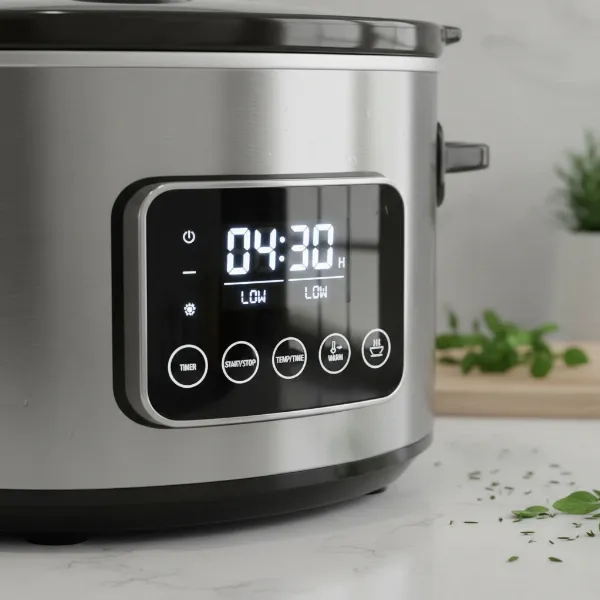 A modern digital slow cooker featuring an electronic display and programmable buttons for precise control.
However, the very complexity that provides these conveniences can also be a point of vulnerability regarding lifespan. Digital slow cookers rely on intricate electronic components such as circuit boards, sensors, and digital displays. These parts are often more susceptible to wear and tear, electrical surges, or general failure over time. A common issue cited by users and technicians is the malfunction of these electronic circuits, which can render the entire appliance inoperable, even if the heating element and crock are perfectly fine. Furthermore, replacing these specialized electronic components can be difficult or uneconomical, often leading to the entire unit being discarded. In the event of a power outage, digital slow cookers typically reset, interrupting the cooking process, unlike some manual models used with external timers. While digital models offer unparalleled convenience, their reliance on complex electronics often translates to a shorter average lifespan compared to their simpler manual counterparts.
Factors Influencing a Slow Cooker’s Lifespan
Regardless of whether you choose a manual or digital model, several factors significantly impact the overall lifespan of your slow cooker. Understanding these can help you maximize your appliance’s operational life.
- Build Quality and Materials: The quality of materials used in construction plays a crucial role. Slow cookers made with high-quality stainless steel and durable stoneware or ceramic inserts tend to last longer. A tightly fitting lid is also essential, as it helps maintain proper cooking temperatures and prevents heat loss, reducing strain on the heating elements.
- Frequency of Use: As with any appliance, the more often a slow cooker is used, the more wear and tear its components will experience. A cooker used multiple times a week will naturally show signs of aging faster than one used only occasionally.
- Maintenance and Care: Proper cleaning and maintenance are vital. Always follow the manufacturer’s instructions for cleaning the inner pot and the heating base. Avoiding harsh abrasives or sudden temperature changes to the ceramic insert can prevent cracks. Ensuring the external unit is kept clean and dry also contributes to its longevity.
- Accidental Damage: Physical impacts, such as dropping the ceramic crock or the entire unit, can lead to cracks, breaks, or internal component damage, drastically shortening its life.
- Heating Element Degradation: Over many years of use, the heating elements in any slow cooker can gradually degrade, becoming less efficient and struggling to reach or maintain safe cooking temperatures. This is a common age-related failure point for both manual and digital models.
When to Bid Farewell to Your Slow Cooker: Signs of Wear
Even the most robust slow cooker will eventually reach the end of its functional life. Knowing when to replace it is crucial for both safety and optimal cooking performance.
One of the most critical indicators is if your slow cooker consistently fails to reach or maintain safe cooking temperatures. To test this, fill your slow cooker two-thirds to three-quarters full with tap water, set it to “Low,” and after eight hours, check the water temperature with a food thermometer. It should read at least 185°F (85°C). If it doesn’t, the heating element may be compromised, and the unit should be replaced to prevent foodborne illness.
Other clear signs of wear include visible damage such as a cracked or broken ceramic crock, a frayed power cord, or a loose or damaged plug. A lid that no longer fits snugly, allowing steam and heat to escape, will affect cooking times and food quality. For digital models, a malfunctioning digital display or unresponsive buttons are strong indicators that the electronic components are failing. Additionally, very old slow cookers, particularly those with fabric-wrapped cords or non-removable inserts (often found in models from the 1970s or earlier), may not meet current safety standards and should be replaced. Generally, if a modern slow cooker is over 10 years old and showing any signs of malfunction, it’s wise to consider an upgrade.
Making the Right Choice: Manual or Digital?
Choosing between a manual and a digital slow cooker ultimately depends on your individual needs and priorities. If you value simplicity, robust construction, and a potentially longer lifespan, a manual slow cooker might be your ideal choice. These models are often more affordable and less prone to electronic failures, making them a workhorse for consistent, no-fuss cooking. They are perfect if you are usually at home to monitor cooking or don’t mind using an external timer.
On the other hand, if convenience, programmable features, and automatic “keep warm” settings are paramount to your busy lifestyle, a digital slow cooker offers unparalleled ease of use. While they may have a slightly shorter average lifespan due to their electronic complexity, the time-saving and flexibility they provide can be invaluable. Modern digital slow cookers are continually improving in quality, but it’s wise to invest in reputable brands known for reliability.
Ultimately, both manual and digital slow cookers can be fantastic additions to your kitchen. The “best” one is the one that fits your cooking habits, budget, and expectations for longevity.
Conclusion
When it comes to the question of which slow cooker lasts longer, the simple truth is that manual slow cookers generally have a greater inherent durability due to their straightforward design. Their lack of complex electronic components means fewer potential points of failure, often allowing them to serve diligently for many years, even decades. Digital models, while offering unparalleled convenience with programmable timers and automatic warming features, introduce more intricate electronics that can be susceptible to malfunctions, potentially leading to a shorter overall lifespan.
However, the lifespan of any slow cooker, whether manual or digital, is also significantly influenced by factors such as build quality, frequency of use, and diligent maintenance. By understanding the pros and cons of each type and taking good care of your appliance, you can extend its life and continue to enjoy delicious, effortless meals. Which type of slow cooker best fits your kitchen and lifestyle?
Frequently Asked Questions
How long do slow cookers typically last?
|
Our Picks for the Best Slow cooker in 2026
As an Amazon Associate I earn from qualifying purchases.
|
||
| Num | Product | Action |
|---|---|---|
| 1 | Ninja MC1001 Foodi PossibleCooker PRO 8.5 Quart Multi-Cooker, with 8-in-1 Slow Cooker, Dutch Oven, Steamer, Glass Lid Integrated Spoon, Nonstick, Oven Safe Pot to 500°F, Sea Salt Gray |

|
| 2 | Crock-Pot 6 Quart Programmable Slow Cooker with Timer and Auto Food Warmer Setting, Stainless Steel |
|
| 3 | Crock-Pot Large 8-Quart Programmable Slow Cooker with Auto Warm Setting Black Stainless Steel |
|
| 4 | Crock-Pot 7 Quart Oval Manual Slow Cooker, Stainless Steel (SCV700-S-BR), Versatile Cookware for Large Families or Entertaining |
|
| 5 | Crock-Pot 6 Quart Cook & Carry Programmable Slow Cooker with Digital Timer Stainless Steel (CPSCVC60LL-S) pack of 1 |
|
| 6 | Slow Cooker 10-Quart - PFOA-Free Ceramic Coating, Oven Safe to 450°F - Keep Warm Function for Large Family Gatherings (Includes Silicone Spoon) |
|
| 7 | Hamilton Beach Slow Cooker, Extra Large 10 Quart, Stay or Go Portable With Lid Lock, Dishwasher Safe Crock, Black (33195) |
|
| 8 | Ninja MC1101 Foodi Everyday Possible Cooker Pro, 8-in-1 Versatility, One-Pot Faster Cooking Replaces 10 Tools, Family-Sized Capacity with Adjustable Temp Control, 6.5 quarts, Midnight Blue |
|
| 9 | Ninja® 12-in-1 PossibleCooker™ PLUS - 8.5-qt - Sous Vide & Proof Multi-Cooker - Slow Cooker, Dutch Oven & More - Glass Lid & Integrated Spoon - Nonstick - Oven Safe Pot to 500°F - Black - MC1010 |
|
| 10 | Hamilton Beach 6-Quart Slow Cooker with 3 Cooking Settings, Dishwasher-Safe Stoneware Crock & Glass Lid, Silver (33665G) |
|
Modern slow cookers generally last between 6 to 10 years. Older, vintage manual models are known for lasting much longer, often several decades, due to their simpler construction. The actual lifespan depends on factors like build quality, frequency of use, and maintenance.
Are old slow cookers safe to use?
Older slow cookers can be safe if they pass certain checks. Ensure the cord isn’t frayed or fabric-wrapped, the lid fits snugly, the insert isn’t permanently attached to the base, and it consistently reaches safe cooking temperatures (185°F on low after 8 hours). If any of these conditions are not met, it’s safer to replace it.
Can a slow cooker overcook food?
Yes, a slow cooker can overcook food, especially if left on a cooking setting for too long beyond the recipe’s recommended time. This can result in dry, stringy meat or mushy vegetables. Digital models with automatic “keep warm” functions help mitigate this risk, while manual models require more attentive monitoring or the use of an external timer.
What temperature should a slow cooker reach on low?
On the low setting, a slow cooker should reach a food-safe temperature of at least 185°F (85°C) within eight hours. It’s recommended to test your slow cooker periodically by filling it with water and checking the temperature with a food thermometer to ensure it’s heating properly.
Is it worth repairing a broken digital slow cooker?
Repairing a broken digital slow cooker can be challenging and often not cost-effective. The electronic components, like circuit boards, are frequently difficult to source, and the repair cost can sometimes approach the price of a new unit. For simpler issues like a cracked crock, replacement parts are usually available and more economical.