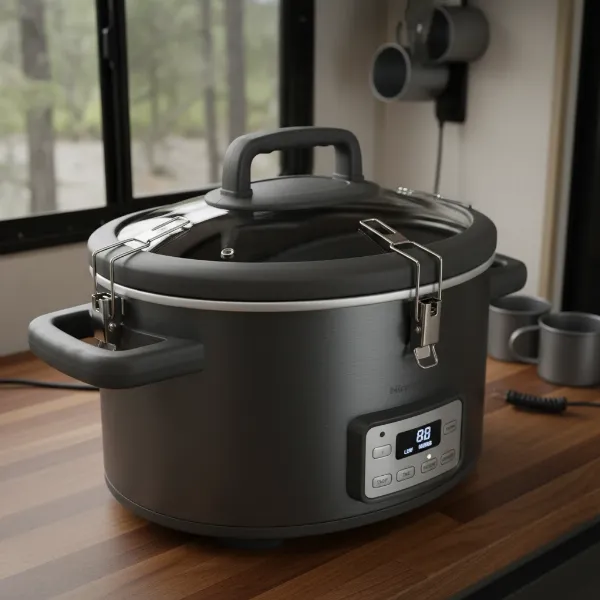
Do you ever wish you could consistently enjoy wholesome, homemade meals without the daily kitchen grind? Imagine coming home to the aroma of a delicious, slow-cooked dinner, ready to be enjoyed or portioned for the week ahead. This isn’t just a dream—it’s the everyday reality for those who master the art of meal prepping and batch cooking with a slow cooker. This indispensable kitchen appliance transforms challenging meal routines into a seamless, stress-free experience, helping you save time, eat healthier, and reduce food waste. We’ll explore why a slow cooker is your ultimate ally in the kitchen, delve into its various types and essential features, and highlight the top models that excel for meal preparation and batch cooking. Get ready to revolutionize your approach to home cooking!
What is a Slow Cooker and How Does It Work?
At its core, a slow cooker is a countertop electrical appliance designed to cook food at a low temperature over an extended period. The principle is simple yet ingenious: gentle, consistent heat slowly breaks down tougher cuts of meat and infuses ingredients with deep, rich flavors, often without requiring constant supervision. This method stands in contrast to conventional cooking, where higher temperatures and shorter durations are typical.
The origins of the slow cooker can be traced back to the 1950s, though it truly gained widespread popularity in 1971 with the rebranding of Naxon Utilities Corporation’s “Bean Pot” as the iconic Crock-Pot. Marketed as a revolutionary convenience for busy individuals, it promised a home-cooked meal ready after a full day’s work, a promise it continues to deliver.
A typical slow cooker consists of three main components:
- The Base Unit: This houses the electrical heating element that encircles the cooking pot, providing uniform heat.
- The Cooking Pot (Crock/Insert): Often made of ceramic or stoneware, this removable vessel sits within the base. Its dense material retains heat exceptionally well, ensuring stable cooking temperatures. Some modern inserts are made from metal with nonstick coatings.
- The Lid: Usually made of tempered glass, the lid fits snugly on top of the cooking pot, trapping heat and moisture to facilitate the slow cooking process and allowing you to monitor your meal without lifting it.
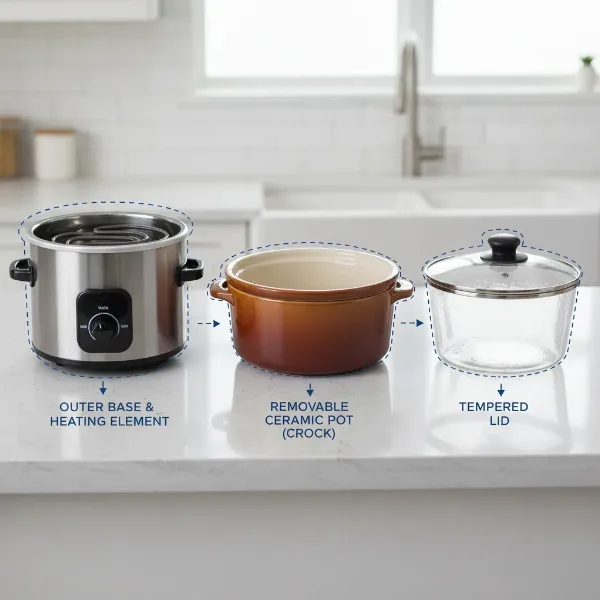 A diagram of slow cooker parts: base, ceramic pot, and glass lid on a kitchen counter.
The Game-Changing Benefits of Slow Cookers for Meal Prep
For anyone committed to meal prepping and batch cooking, a slow cooker offers a suite of advantages that can profoundly simplify kitchen life and elevate your culinary endeavors.
Time and Effort Savings: The “set it and forget it” nature of slow cooking is its most celebrated benefit. You can load ingredients in the morning or the night before, set the desired cooking time and temperature, and return hours later to a fully cooked meal. This hands-off approach frees up valuable time, making it perfect for busy weekdays or when you want to focus on other tasks.
Nutrient and Flavor Retention: The low and slow cooking method is renowned for preserving nutrients and intensifying flavors. Meats become exceptionally tender, and vegetables maintain their integrity, absorbing the rich essences of sauces and spices. The sealed environment prevents moisture loss, ensuring dishes remain juicy and flavorful.
Versatility in Recipes: From hearty stews, chilis, and pot roasts to pulled pork, soups, and even some desserts, the slow cooker is incredibly versatile. It can transform inexpensive cuts of meat into gourmet-quality dishes and effortlessly handle large batches of grains or legumes for diverse meal prep options throughout the week.
Safety and Ease of Use: Modern slow cookers are designed with safety in mind. They operate at stable, controlled temperatures, significantly reducing the risk of overcooking or scorching that can occur with stovetop cooking. Most models feature straightforward controls, making them accessible even for novice cooks.
Energy Efficiency: Compared to heating a large oven for hours, a slow cooker uses significantly less electricity. Its contained heating element focuses energy directly on the cooking pot, making it a more energy-efficient choice for prolonged cooking times.
Types of Slow Cookers: Finding Your Perfect Match
The market offers a diverse range of slow cookers, each with variations in design, capacity, material, and features. Understanding these differences can help you select the model best suited for your meal prepping and batch cooking needs.
By Shape
Slow cookers typically come in a few common shapes:
- Round: Often found in smaller capacities, round slow cookers are excellent for soups, stews, beans, and dips. Their compact footprint can be ideal for smaller kitchens.
- Oval: This is arguably the most popular shape, especially for meal prepping and batch cooking. Oval slow cookers can accommodate larger cuts of meat like whole chickens, roasts, or racks of ribs, making them perfect for preparing family-sized meals or large quantities for freezing.
- Square/Rectangular: Less common, these shapes are sometimes found in multi-cookers or specific casserole-style slow cookers. They can be useful for dishes like lasagna or larger casseroles.
|
Our Picks for the Best Slow cooker in 2026
As an Amazon Associate I earn from qualifying purchases.
|
||
| Num | Product | Action |
|---|---|---|
| 1 | Hamilton Beach Slow Cooker, Extra Large 10 Quart, Stay or Go Portable With Lid Lock, Dishwasher Safe Crock, Black (33195) |

|
| 2 | Hamilton Beach 6-Quart Slow Cooker with 3 Cooking Settings, Dishwasher-Safe Stoneware Crock & Glass Lid, Silver (33665G) |
|
| 3 | Crock-Pot 6 Quart Programmable Slow Cooker with Timer and Auto Food Warmer Setting, Stainless Steel |
|
| 4 | Crock-Pot 7 Quart Oval Manual Slow Cooker, Stainless Steel (SCV700-S-BR), Versatile Cookware for Large Families or Entertaining |
|
| 5 | Ninja® 12-in-1 PossibleCooker™ PLUS - 8.5-qt - Sous Vide & Proof Multi-Cooker - Slow Cooker, Dutch Oven & More - Glass Lid & Integrated Spoon - Nonstick - Oven Safe Pot to 500°F - Black - MC1010 |
|
| 6 | Slow Cooker 10-Quart - PFOA-Free Ceramic Coating, Oven Safe to 450°F - Keep Warm Function for Large Family Gatherings (Includes Silicone Spoon) |
|
| 7 | Crock-Pot 6 Quart Cook & Carry Programmable Slow Cooker with Digital Timer Stainless Steel (CPSCVC60LL-S) pack of 1 |
|
| 8 | Ninja MC1001 Foodi PossibleCooker PRO 8.5 Quart Multi-Cooker, with 8-in-1 Slow Cooker, Dutch Oven, Steamer, Glass Lid Integrated Spoon, Nonstick, Oven Safe Pot to 500°F, Sea Salt Gray |
|
| 9 | Crock-Pot Large 8-Quart Programmable Slow Cooker with Auto Warm Setting Black Stainless Steel |
|
| 10 | Ninja MC1101 Foodi Everyday Possible Cooker Pro, 8-in-1 Versatility, One-Pot Faster Cooking Replaces 10 Tools, Family-Sized Capacity with Adjustable Temp Control, 6.5 quarts, Midnight Blue |
|
By Capacity
Capacity is a critical consideration for meal prepping:
- Small (1-3 quarts): Ideal for single servings, dips, or small side dishes. Not typically recommended for extensive meal prepping.
- Medium (4-6 quarts): A versatile size that works well for couples, small families, or modest meal prep. A 6-quart model can fit a whole chicken or a substantial roast.
- Large (7-8+ quarts): The go-to choice for serious meal preppers, larger families, or those who frequently entertain. An 8-quart slow cooker can easily feed more than 10 people, making it perfect for preparing big batches to store or freeze.
By Pot Material
The material of the inner cooking pot influences heat distribution and durability:
- Ceramic/Stoneware: These are dense, heavy pots that heat up slowly but retain heat exceptionally well and distribute it evenly. They are highly durable but can crack or shatter if dropped or subjected to rapid temperature changes. Most ceramic inserts are not stovetop-safe.
- Metal (Aluminum/Stainless Steel) with Nonstick/Ceramic Coating: Lighter and quicker to heat, these pots may offer features like stovetop-safe searing. The nonstick or ceramic coating aids in easy cleanup and can mimic the even heating of ceramic. However, nonstick coatings can be prone to scratches.
By Features
The functionality of slow cookers has evolved significantly:
- Manual: These are the simplest models, typically offering “high,” “low,” and “warm” settings with a manual dial or switch. They are durable and often more affordable.
- Programmable: A must-have for meal prepping, programmable slow cookers allow you to set specific cooking times, after which they often automatically switch to a “keep warm” setting. Some even include delay start timers, letting you begin cooking at a later, pre-set time.
- Multi-Cookers: These appliances combine the functions of a slow cooker with other cooking methods like pressure cooking, sautéing, steaming, or even baking. While offering incredible versatility and saving counter space, they can be more expensive and have more complex controls.
Key Features to Look for in a Meal Prep Slow Cooker
When choosing a slow cooker specifically for meal prepping and batch cooking, certain features stand out as particularly beneficial. Prioritizing these will ensure your appliance genuinely supports your culinary goals.
Ideal Capacity for Batch Cooking
For meal prepping, a capacity of 6 to 8 quarts is often recommended. This size allows you to cook sufficient quantities for multiple meals throughout the week or to prepare large dishes for gatherings. While a 6-quart pot can handle a whole chicken or a good-sized roast, an 8-quart model offers even more flexibility for bigger families or extensive batch cooking sessions, ensuring you don’t have to cook as frequently. Keep in mind that slow cookers perform best when filled between one-half and three-quarters full.
Programmable Settings and Delay Timers
The ability to program your slow cooker is a game-changer for hands-off meal prep. A programmable timer allows you to set the precise cooking duration, and many models automatically switch to a “keep warm” mode once cooking is complete. This means your food stays at a safe, serving temperature without overcooking, ideal for when you’re out of the house all day. Some advanced models even feature delay start timers, letting you load ingredients in the morning and begin cooking hours later, ensuring a fresh, hot meal precisely when you need it.
Easy-to-Clean Inserts
Cleanup can be the least enjoyable part of cooking. Look for slow cookers with removable, dishwasher-safe inserts and lids. Ceramic or stoneware pots with a glossy glaze, or metal pots with effective nonstick coatings, make cleaning significantly easier. Some users also find disposable liners a convenient option for quick cleanup, though this is a matter of personal preference and environmental consideration.
Multi-Functional Capabilities
While a dedicated slow cooker is excellent, many modern appliances offer additional functions that can enhance your meal prepping strategy. Features like a sauté or brown setting allow you to sear meats and vegetables directly in the slow cooker’s pot before slow cooking, building depth of flavor and reducing the number of pots and pans used. Some multi-cookers also include steaming, pressure cooking, or even baking functions, providing greater versatility and potentially saving valuable counter space by consolidating several appliances into one.
Secure Lids for Portability
If your meal prepping includes taking dishes to potlucks, family gatherings, or even just transporting food from kitchen to dining room, a slow cooker with a locking lid is invaluable. These lids prevent spills during transport, ensuring your culinary creations arrive safely and intact. A tight-fitting lid also minimizes moisture evaporation during long cooks, which is crucial for maintaining the desired consistency of your dishes.
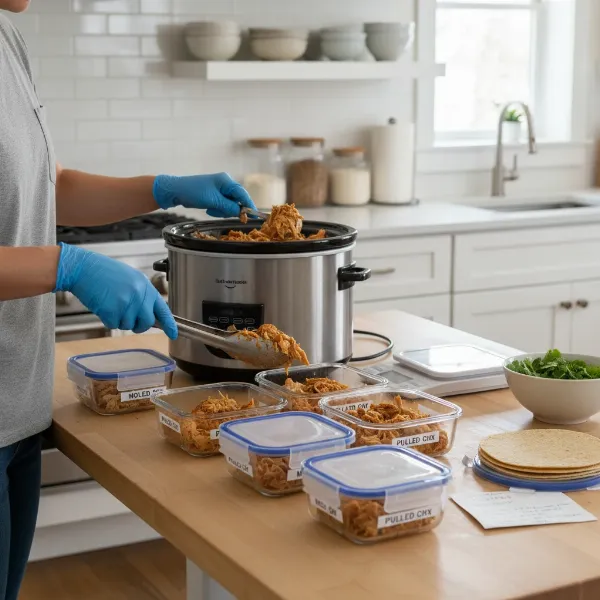 Person portioning slow-cooked food into meal prep containers in a modern kitchen.
Top Slow Cookers for Meal Prepping and Batch Cooking
Selecting the right slow cooker can significantly streamline your meal prep routine. Based on performance, features, and user satisfaction, here are some of the best slow cookers ideal for meal prepping and batch cooking:
1. Cuisinart Cook Central 6-Quart Multi-Cooker
This versatile multi-cooker consistently earns high marks for its ease of use and consistent performance. It features straightforward controls with separate screens for time and temperature. Beyond standard slow cooking (high, low, simmer), it offers sautéing, steaming, and keep-warm options, allowing you to brown ingredients directly in the pot, which is a major advantage for flavor development in meal prep. Its wide, shallow 6-quart nonstick-coated aluminum pot ensures even heat distribution and is dishwasher-safe for easy cleanup. While it’s a bit larger than some other 6-quart models, its multi-functionality makes it a powerful asset.
2. GreenPan Elite 6-Quart Slow Cooker
Praised for its versatile settings and sleek design, the GreenPan Elite is an excellent choice for those seeking both functionality and aesthetics. Its ceramic-coated metal pot provides impressive nonstick performance and is easy to clean. This model stands out with dedicated brown/sauté and steaming modes, allowing for one-pot meal preparation from searing to slow cooking. It consistently maintains steady temperatures and includes a stainless steel steamer rack, expanding its utility for various meal prep components.
3. Hamilton Beach Portable 6-Quart Set & Forget Slow Cooker
Offering exceptional value, this Hamilton Beach model is a favorite for its smart features and portability. The standout feature is its integrated temperature probe, which monitors food temperature and automatically switches to “keep warm” mode once the target doneness is reached. This eliminates guesswork, preventing overcooking—a significant benefit for batch cooking proteins. Its clip-tight lid ensures spill-free transport, making it perfect for taking your prepped meals on the go. The ceramic pot is dishwasher-safe, simplifying cleanup.
4. Crock-Pot Programmable Slow Cooker (8-Quart)
When maximum capacity is your priority, the Crock-Pot 8-Quart Programmable Slow Cooker delivers. This large appliance is perfect for extensive meal prepping, feeding big families, or entertaining a crowd. It offers programmable settings with a timer and automatic “keep warm” function, ensuring your large batches are ready when you are. While it’s primarily a slow cooker with basic temperature modes (low, medium, high), its sheer size and reliable performance make it a staple for high-volume cooking. The ceramic pot and lid are dishwasher-safe, though its large size might require handwashing for some dishwashers.
5. GreenLife Cook Duo 6-Quart Slow Cooker
For those prioritizing non-toxic materials and versatility, the GreenLife Cook Duo is an appealing option. Its ceramic insert, made from sand, is free of PFOA, PFAS, lead, and cadmium. This 6-quart model offers impressive heat distribution and is uniquely oven- and stovetop-safe, allowing you to brown or sear ingredients before slow cooking without using extra pans. It includes standard “high,” “low,” and “warm” settings, along with a convenient delay timer for flexible meal scheduling. Its lightweight design and vibrant color options add a touch of style to your kitchen.
Tips for Maximizing Your Slow Cooker for Meal Prep
To get the most out of your slow cooker for meal prepping and batch cooking, a few best practices can make a world of difference.
Best Practices for Safe and Efficient Use
- Thaw Meat Completely: Always use fully thawed meat in your slow cooker. Placing frozen meat in the pot can keep it in the “danger zone” for too long, promoting bacterial growth. Frozen vegetables are generally fine as they are small enough to thaw quickly.
- Fill Appropriately: For optimal results, fill your slow cooker between half and three-quarters full. Underfilling can lead to overcooked, dry food, while overfilling risks boil-overs and uneven cooking.
- Layer Ingredients Strategically: Place tougher, slower-cooking vegetables (like carrots or potatoes) at the bottom, closest to the heat source. Layer meat on top, followed by softer vegetables and liquids.
- Resist the Urge to Peek: Lifting the lid releases accumulated heat and can extend cooking times significantly. Only open the lid when necessary, such as to stir or check for doneness towards the end of the cooking cycle.
- Use the “Keep Warm” Setting Wisely: The “keep warm” function is excellent for holding food at a safe temperature until you’re ready to serve, but it’s not intended for extended periods (more than a few hours) as it’s not hot enough to kill bacteria over time.
- Add Dairy and Fresh Herbs Last: Dairy products can curdle, and fresh herbs can lose their flavor and vibrant color if added too early. Stir them in during the last 30 minutes of cooking or just before serving.
Cleaning and Maintenance Tips
- Cool Down First: Always allow the ceramic insert and lid to cool completely before washing them. Extreme temperature changes can cause them to crack or warp.
- Dishwasher-Safe Components: Most modern slow cooker inserts and lids are dishwasher-safe. For the exterior base, which contains electrical components, simply wipe it clean with a damp cloth. Never submerge the base in water.
- Tackle Stuck-On Food: If food is stuck, soak the insert in warm, soapy water before scrubbing. For stubborn spots, a paste of baking soda and water can work wonders. Avoid abrasive scrubbers on nonstick coatings.
- Inspect Regularly: Periodically check your slow cooker’s pot for any chips, cracks, or scratches, especially if it has a nonstick coating. Replacing a damaged pot helps ensure food safety and optimal performance.
Troubleshooting Common Issues
- Food is Dry/Overcooked: You might be overfilling the cooker, lifting the lid too often, or using the wrong setting (high instead of low for longer cooks). Ensure enough liquid is in your recipe.
- Food is Undercooked: The slow cooker might be underfilled, or you may be using cuts of meat or vegetables that require longer cooking times. Ensure your recipe matches your cooker’s capacity and settings.
- Uneven Cooking: This can happen if ingredients are not layered properly or if there are hot spots in an older model. Stirring once or twice (if the recipe allows) can help, but generally, slow cookers are designed for even heat distribution.
Where to Buy Reliable Slow Cookers
Investing in a reliable slow cooker is key to a successful meal prep journey. You can find high-quality slow cookers at a variety of retailers, both online and in brick-and-mortar stores.
Major online retailers like Amazon, Wayfair, Target, and Walmart offer extensive selections, competitive pricing, and often provide customer reviews that can be invaluable in making your decision. These platforms frequently have sales and discounts, making it a good place to start your search.
For those who prefer to see and handle products before purchasing, department stores such as Macy’s, Kohl’s, and JCPenney, along with home goods stores like Bed Bath & Beyond and Sur La Table, typically stock a range of models. Specialty kitchen appliance stores can also offer expert advice and a curated selection of higher-end slow cookers.
When purchasing, always check the warranty and return policy of both the retailer and the manufacturer. Reading recent customer reviews can also provide insights into real-world performance and durability. Opting for established brands known for their quality, such as Crock-Pot, Cuisinart, Hamilton Beach, and GreenPan, can offer peace of mind.
Conclusion
The slow cooker is far more than just a kitchen gadget; it’s a strategic tool for anyone looking to embrace meal prepping and batch cooking with efficiency and ease. From its fundamental ability to transform ingredients with minimal effort to its diverse functionalities and range of sizes, this appliance consistently delivers wholesome, flavorful meals ready when you are. By understanding the different types, prioritizing key features like capacity and programmability, and adopting smart usage tips, you can unlock its full potential.
Embrace the convenience and culinary rewards of slow cooking, and you’ll soon wonder how you ever managed your kitchen without it. Which slow cooker feature are you most excited to integrate into your meal prep routine?
Frequently Asked Questions
What capacity slow cooker is best for a family of four for meal prepping?
For a family of four who regularly meal preps, a 6-quart slow cooker is generally ideal. This size offers enough capacity to cook main dishes with some leftovers, providing several meals without being overly bulky. An 8-quart model would be suitable if you plan to cook very large batches for freezing or for bigger gatherings.
Can you put raw meat and vegetables together in a slow cooker?
Yes, you can absolutely put raw meat and vegetables together in a slow cooker. This is the standard method for most slow cooker recipes. It’s recommended to place tougher vegetables at the bottom of the pot, as they are closer to the heat and require longer cooking times than meat. Ensure all ingredients are properly thawed before adding them.
Is it safe to leave a slow cooker on all day while I’m at work?
Yes, it is generally safe to leave a slow cooker on all day while you are at work. Modern slow cookers are designed for long cooking times at low temperatures, and many programmable models automatically switch to a “keep warm” setting once the cooking cycle is complete. Always follow the manufacturer’s instructions and ensure the appliance is placed on a stable, heat-resistant surface away from flammable objects.