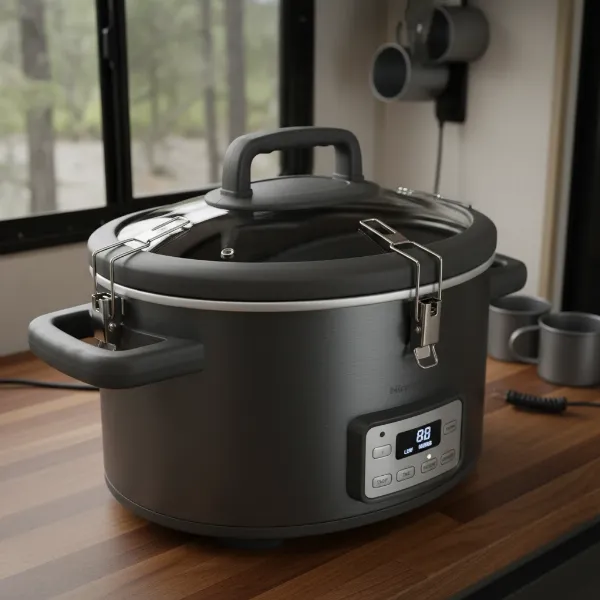
Imagine walking into your home after a long day, greeted by the comforting aroma of a slow-cooked meal. The slow cooker is a true kitchen hero, effortlessly transforming simple ingredients into tender, flavorful dishes while you go about your day. It promises convenience, ease, and delicious results, making it an indispensable appliance for many busy households. However, a common question often arises in the quest for ultimate convenience: Can you put frozen meat directly into a slow cooker? While the idea of a truly “set it and forget it” meal, even from frozen, is tempting, understanding the nuances of food safety is paramount to ensure your culinary creations are not only delicious but also safe for everyone to enjoy.
The Slow Cooker: A Kitchen Essential
A slow cooker, often referred to as a Crock-Pot, is an electric cooking appliance that simmers food at a low temperature over an extended period. Typically consisting of a heating element, a stoneware or ceramic pot, and a tightly fitting lid, it works by trapping heat and moisture, allowing food to cook gently for hours. This cooking method is perfect for tenderizing tougher cuts of meat and infusing flavors deeply into stews, chilis, and roasts.
The principle behind a slow cooker’s magic lies in its ability to maintain a consistent, low heat. This process breaks down connective tissues in meat, resulting in incredibly tender textures, and allows flavors to meld beautifully. It’s a method that minimizes hands-on cooking time, offering the unparalleled benefit of preparing meals with minimal effort, making weeknight dinners or weekend gatherings significantly easier.
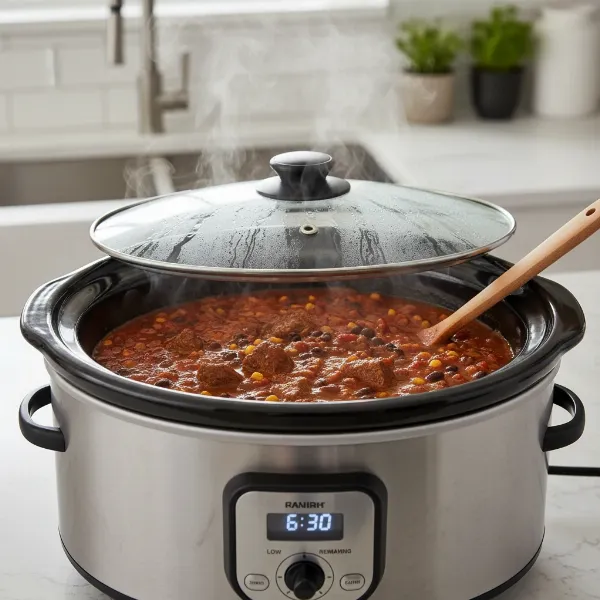 A modern slow cooker gently simmering a hearty meal, releasing comforting steam in a warm kitchen.
Can You Put Frozen Meat Directly in a Slow Cooker? The Short Answer.
Despite the appeal of convenience, the straightforward answer from food safety experts, including the U.S. Department of Agriculture (USDA), is generally no: it is not recommended to put frozen meat directly into a slow cooker. This recommendation is rooted in crucial food safety principles designed to prevent foodborne illnesses.
Why Frozen Meat and Slow Cookers Don’t Mix: Understanding the “Danger Zone”
The primary concern with cooking frozen meat in a slow cooker revolves around the “danger zone.” This refers to the temperature range between 40°F (4°C) and 140°F (60°C) where harmful bacteria, such as Salmonella and E. coli, can multiply rapidly. When frozen meat is placed in a slow cooker, the appliance’s low and slow heating process means it takes a considerable amount of time for the meat to thaw and then reach a temperature above 140°F (60°C). During this prolonged period, the meat’s internal temperature can linger in the danger zone for too long, creating an ideal environment for bacteria to grow to unsafe levels.
Even if the meat eventually reaches a safe cooking temperature, the bacteria may have produced heat-resistant toxins that cannot be destroyed by cooking, leading to potential foodborne illness. This delay in reaching a safe temperature is further exacerbated by the meat’s frozen state, which acts as a heat sink, slowing down the overall heating process for all ingredients in the pot. The USDA explicitly advises against this practice to ensure food safety and prevent the proliferation of harmful pathogens.
The Risks of Undercooked or Improperly Thawed Meat
Consuming meat that has spent too much time in the bacterial danger zone, or is undercooked, carries significant health risks. Foodborne illnesses can manifest with symptoms ranging from mild discomfort like nausea, vomiting, diarrhea, and abdominal cramps to more severe conditions requiring hospitalization. For vulnerable populations, such as young children, the elderly, and individuals with compromised immune systems, these risks are even higher.
Different types of meat can harbor different bacteria, but the general principle of avoiding the danger zone applies universally. Ground beef, for instance, is particularly prone to E. coli contamination, and improper cooking or thawing can lead to severe health issues. While frozen meat might appear solid and inert, it’s crucial to remember that bacteria can still be present and will reactivate and multiply once temperatures become favorable.
Safe Thawing Methods for Slow Cooker Meals
To ensure your slow cooker meals are safe and delicious, proper thawing of meat before cooking is essential. There are three safe methods recommended by food safety authorities:
Refrigerator Thawing
|
Our Picks for the Best Slow cooker in 2026
As an Amazon Associate I earn from qualifying purchases.
|
||
| Num | Product | Action |
|---|---|---|
| 1 | Ninja MC1101 Foodi Everyday Possible Cooker Pro, 8-in-1 Versatility, One-Pot Faster Cooking Replaces 10 Tools, Family-Sized Capacity with Adjustable Temp Control, 6.5 quarts, Midnight Blue |

|
| 2 | Hamilton Beach Slow Cooker, Extra Large 10 Quart, Stay or Go Portable With Lid Lock, Dishwasher Safe Crock, Black (33195) |
|
| 3 | Crock-Pot 6 Quart Programmable Slow Cooker with Timer and Auto Food Warmer Setting, Stainless Steel |
|
| 4 | Crock-Pot 7 Quart Oval Manual Slow Cooker, Stainless Steel (SCV700-S-BR), Versatile Cookware for Large Families or Entertaining |
|
| 5 | Hamilton Beach 6-Quart Slow Cooker with 3 Cooking Settings, Dishwasher-Safe Stoneware Crock & Glass Lid, Silver (33665G) |
|
| 6 | Ninja® 12-in-1 PossibleCooker™ PLUS - 8.5-qt - Sous Vide & Proof Multi-Cooker - Slow Cooker, Dutch Oven & More - Glass Lid & Integrated Spoon - Nonstick - Oven Safe Pot to 500°F - Black - MC1010 |
|
| 7 | Slow Cooker 10-Quart - PFOA-Free Ceramic Coating, Oven Safe to 450°F - Keep Warm Function for Large Family Gatherings (Includes Silicone Spoon) |
|
| 8 | Crock-Pot Large 8-Quart Programmable Slow Cooker with Auto Warm Setting Black Stainless Steel |
|
| 9 | Ninja MC1001 Foodi PossibleCooker PRO 8.5 Quart Multi-Cooker, with 8-in-1 Slow Cooker, Dutch Oven, Steamer, Glass Lid Integrated Spoon, Nonstick, Oven Safe Pot to 500°F, Sea Salt Gray |
|
| 10 | Crock-Pot 6 Quart Cook & Carry Programmable Slow Cooker with Digital Timer Stainless Steel (CPSCVC60LL-S) pack of 1 |
|
This is the safest and most recommended method. Simply transfer your frozen meat to the refrigerator, allowing it to thaw gradually. A general guideline is 24 hours of thawing time for every 5 pounds of meat. Place the meat on a plate or in a container to catch any drips and prevent cross-contamination.
Cold Water Thawing
For faster thawing, you can submerge sealed packages of frozen meat in cold tap water. Change the water every 30 minutes to keep it cold and ensure continuous thawing. This method is faster than refrigerator thawing but requires more attention. Meat thawed this way must be cooked immediately.
Microwave Thawing
The microwave can be used for thawing, but meat thawed in a microwave should be cooked immediately after thawing. This is because some parts of the meat may begin to cook during the thawing process, potentially reaching the danger zone. Always cook microwave-thawed meat without delay.
Never thaw meat at room temperature on the counter. This method allows the outer layers of the meat to warm up and enter the danger zone while the center remains frozen, creating a breeding ground for bacteria.
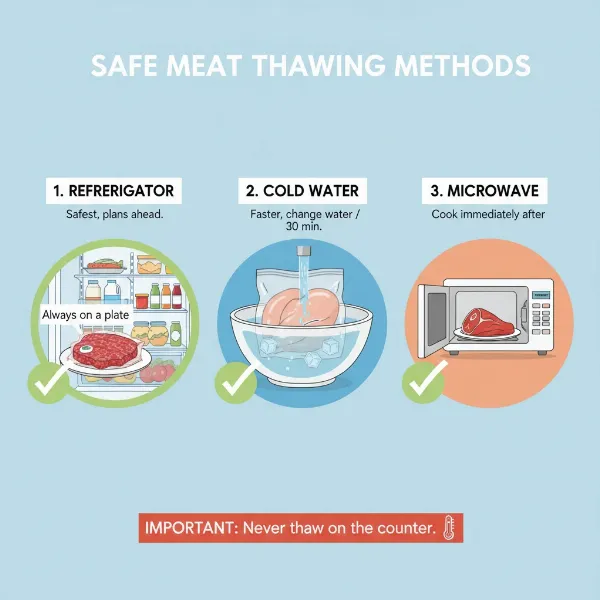 Various methods for safely thawing frozen meat, including refrigerator, cold water, and microwave.
What About Frozen Vegetables and Commercially Prepared Meals?
While frozen meat poses a risk in a slow cooker, the situation is different for other frozen ingredients.
Frozen Vegetables
It is generally safe to add frozen vegetables directly to a slow cooker. Vegetables tend to thaw and cook more quickly than meat, and they don’t carry the same bacterial load concerns. In fact, many slow cooker recipes recommend adding frozen vegetables without prior thawing, especially since their processing often pre-cooks them slightly.
Commercially Prepared Meals
For commercially packaged frozen slow cooker meals, it is crucial to always follow the manufacturer’s instructions precisely. These products are often specifically formulated and tested to ensure safety when cooked from frozen, with instructions that account for the unique characteristics of the ingredients and the appliance. Deviating from these instructions could compromise food safety.
Best Practices for Safe and Delicious Slow Cooking
Beyond proper thawing, a few best practices can further enhance the safety and quality of your slow cooker meals:
- Start with Thawed Ingredients: As emphasized, ensure all meat and poultry are fully thawed before placing them in the slow cooker.
- Add Ample Liquid: Always include enough liquid in your slow cooker recipe. High-moisture foods like stews and soups generate steam, which helps to distribute heat and raise the temperature more quickly, ensuring food cooks evenly and safely. Aim to fill the cooker at least half full, but no more than two-thirds.
- Don’t Overcrowd: Avoid overfilling your slow cooker, as this can impede proper heat circulation and lead to uneven cooking.
- Keep the Lid Closed: Resist the urge to frequently lift the lid. Each time you peek, the internal temperature of the slow cooker can drop by 10 to 15 degrees, significantly extending the cooking time and the period food spends in the danger zone.
- Use a Food Thermometer: For ultimate peace of mind, use a food thermometer to verify that your meat has reached a safe internal temperature (e.g., 165°F/74°C for poultry, 160°F/71°C for ground meat, 145°F/63°C for whole cuts of beef, pork, lamb, and veal with a 3-minute rest time).
- Start on High Heat (Optional but Recommended): Some experts suggest starting your slow cooker on the “high” setting for the first hour of cooking, then reducing it to “low” for the remainder of the cooking time. This helps the contents reach a safe temperature more quickly.
- Handle Leftovers Safely: Promptly refrigerate any leftovers within two hours after cooking is finished. Reheat leftovers thoroughly to 165°F (74°C) on the stovetop, in the microwave, or in an oven, rather than attempting to reheat them in the slow cooker itself.
“Safety in the kitchen isn’t just about following rules; it’s about understanding why those rules exist. With slow cooking, the low temperatures demand patience, especially when it comes to thawing. Skipping that step can turn convenience into a health risk.” – John Smith, Food Safety Expert
Conclusion
Slow cookers are an incredible asset in any kitchen, making it possible to create wholesome, delicious meals with minimal effort. However, the convenience of a slow cooker should never compromise food safety. The answer to “Can you put frozen meat directly in a slow cooker?” is a firm no for a very important reason: to prevent foodborne illness by avoiding the bacterial danger zone. By taking a few extra steps to properly thaw your meat and following established food safety guidelines, you can ensure that every meal you prepare in your slow cooker is not only wonderfully tender and flavorful but also perfectly safe for you and your loved ones. Prioritizing these practices will unlock the full potential of your slow cooker, allowing you to enjoy countless easy and delicious dishes worry-free.
What’s your go-to slow cooker recipe, and how do you ensure it’s always safe?
Frequently Asked Questions
How long does it take for meat to thaw safely in the refrigerator?
Generally, it takes approximately 24 hours to thaw every 5 pounds of frozen meat in the refrigerator. Larger cuts or whole birds will require more time, so plan accordingly by moving them from the freezer to the fridge a day or two in advance.
Can I thaw meat directly in hot water to speed up the process for my slow cooker?
No, thawing meat in hot water is not recommended. Hot water can cause the outer layers of the meat to warm up into the bacterial danger zone while the inside remains frozen, creating a risk for rapid bacterial growth. Always use cold water if you opt for the water thawing method.
Is it safe to put partially frozen meat in a slow cooker if it’s mostly thawed?
Even partially frozen meat should be avoided in a slow cooker. Any ice crystals or frozen areas will still prolong the time it takes for the meat to reach a safe internal temperature, increasing the risk of bacterial growth in the danger zone. Always ensure meat is fully thawed.
What happens if I accidentally put frozen meat in my slow cooker?
If you’ve accidentally added frozen meat, it’s best to discard the meal if it has been cooking for an extended period at low temperatures, as there’s a significant risk of bacterial growth. For future meals, always prioritize thawing to prevent potential foodborne illness.
Does searing frozen meat before putting it in the slow cooker make it safe?
Searing frozen meat briefly only cooks the exterior and does not significantly reduce the overall thawing time or the duration the internal temperature spends in the danger zone within the slow cooker. It is not a substitute for proper thawing.